



Private Label Lip Oil: Turning the Hybrid Beauty Trend into a Product Brief
October 30,2026
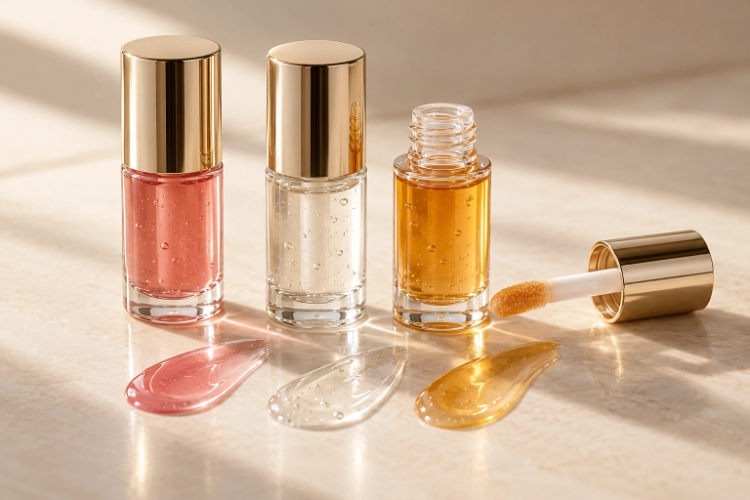
A private label lip oil needs a clearer job than “shine plus skincare.” Before requesting samples, define the finish, color payoff, application feel and benefit you want to communicate. Then ask the manufacturer to develop and evaluate the formula with its intended applicator and bottle. A fashionable ingredient list cannot settle those decisions.
The category has a timely market signal. In its first-half 2026 Canadian prestige beauty report, Circana reported hybrid lip product growth of 73%, alongside 42% growth for lip liner. Those figures describe that market and reporting period; they are not worldwide lip oil growth rates. For a brand considering a launch, they support investigating the category rather than forecasting sales from the headline.
What Should a Private Label Lip Oil Actually Deliver?
Start with the consumer’s reason to reach for it. Is this a sheer daytime color, a glossy finishing layer, or a comfort-focused product for frequent reapplication? Choose a lead use and make the sample review reflect it. Trying to lead equally with intense pigment, a barely noticeable feel and dramatic shine leaves too much open to interpretation.
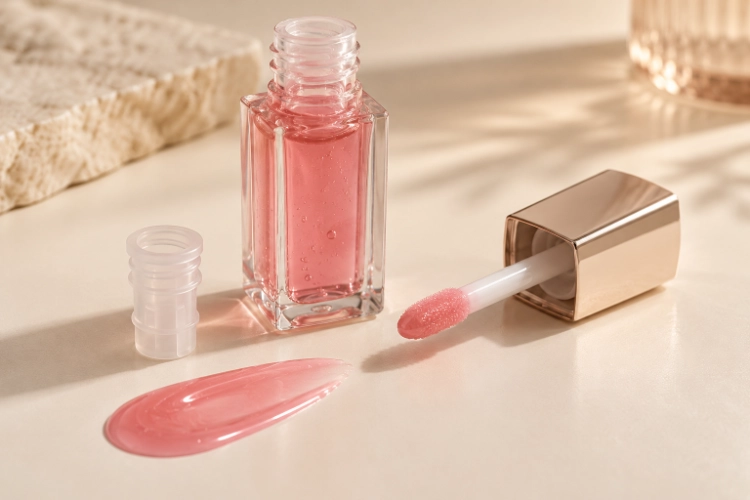
Treat “hybrid” as positioning that needs a product definition. Write a short sentence describing the visible result and a separate sentence describing the feel. For example, a proposed concept might be a sheer rose tint with a glossy finish and a cushioned application. This is a development direction, not a claim that an existing formula already performs that way.
BGVE’s official website lists lip oil within its lip makeup range. Its category listing is a starting point for an enquiry; buyers should request current formula and component options for their own brief rather than assume a particular ingredient system, certification or ready-stock item is available.
Lip Oil, Gloss or Tinted Balm: Which Direction Fits the Range?
Compare actual samples rather than relying on the product name. Marketing names can overlap, while the buying decision still turns on color, shine, texture and application. A gloss-like oil and a sheer gloss may compete for the same place in a customer’s routine.
Review the proposed product beside the lip items you already sell. If your range has a high-shine gloss, identify what the new item adds: a different feel, a subtler tint, another application format or a different use occasion. If the only difference is the name on the carton, reconsider the brief before expanding the assortment.
Ask reviewers to describe the samples without seeing the proposed marketing story first. Record what they notice about spread, tack, slip, shine and color. This exercise helps reveal whether the intended distinction is apparent in use or depends entirely on copy.
Evaluate the Formula and Applicator Together
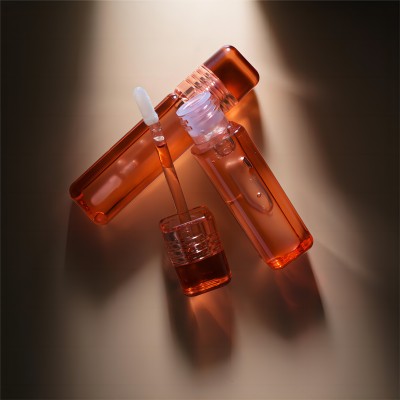
A jar sample answers only part of the development question. Request a filled sample in the proposed package before final approval. Compare pickup, the amount left on the applicator after it passes through the wiper, application precision and product around the bottle neck after repeated use.
Use a consistent review sequence. Apply the sample to bare lips, then assess the intended layering routine separately. Record the application amount and review conditions. If one sample is assessed over balm and another on bare lips, the feedback will be difficult to compare.
Include practical handling observations: whether the closure feels secure, whether the wand returns cleanly and whether the decoration stays legible during use. These are review questions, not evidence that a component has passed transport or compatibility testing. Ask the supplier which checks it proposes and what records will be supplied.
BGVE’s OEM service page describes stability and packaging-compatibility testing among its laboratory activities. Agree on the scope for the selected formula and package. A general laboratory capability statement is not a test report for the finished item.
Build the Benefit Story Around Finished-Product Evidence
Decide early whether the launch copy will describe appearance and feel or make a measurable performance promise. “Glossy finish” and a quantified hydration statement require different kinds of support. Ask what evidence exists for the exact wording you intend to use, and whether it applies to the finished formula under relevant conditions.
An ingredient’s reputation does not establish the finished product’s performance. If the brief requests an ingredient-led story, ask the manufacturer to explain its role and identify the information available to support the proposed benefit. Keep the ingredient request, formula approval and claim approval connected.
Avoid adding treatment, repair or other strong promises merely because similar language appears on competing listings. Have the proposed wording reviewed for the destination market before approving artwork. That review should cover the actual formula, intended use and presentation, including product-page text and influencer briefing materials.
Design a Shade Range That Gives Buyers a Reason to Choose
Give each proposed shade a role. A clear option, a sheer neutral and a deeper tint might be a useful starting concept for some brands, but the right selection depends on the customer and channel. Do not copy another collection’s shade count without a commercial reason.
Review the color on lips as well as in the bottle. Keep lighting and application amount consistent, and include different natural lip tones in the evaluation. Save approved physical samples with their shade codes. Edited swatch images should support communication rather than replace the approval reference.
Before accepting a quotation, ask whether minimum quantities apply by shade, formula, component or decoration. Request a comparable quotation for the proposed range and a smaller launch alternative. This makes the assortment decision easier to assess against inventory exposure without assuming any supplier-specific MOQ.
What to Send with a Lip Oil Enquiry
Use this checklist as the first page of the development brief:
- Destination market, sales channel and intended customer.
- Lead use occasion and the gap in the existing lip range.
- Reference finish, tint, feel and any fragrance preferences.
- Proposed package and applicator, with physical references where available.
- Desired benefit wording and the supporting evidence to discuss.
- Initial shade plan, expected order range and repeat-order assumptions.
- Sample approval owner and the decisions needed before artwork release.
Ask the supplier to separate confirmed options from work that still needs development. Request the next sampling step and any unresolved questions in writing. This produces a more useful response than a request for the “latest viral lip oil.”
Frequently Asked Questions
Does hybrid lip product growth mean every brand should launch lip oil?
No. The Canadian data is a reason to examine demand, not proof that a particular launch will succeed. Check the category’s role in your own market, price position and existing assortment. A product needs a clear use and a credible reason for customers to choose it.
Can a brand approve the formula before choosing a bottle?
Early texture review can begin before package selection, but keep final approval open until a filled sample has been reviewed. Record the formula and component versions together. If either changes, agree with the supplier which observations and checks need to be repeated before production.
What is the next step for a BGVE lip oil project?
Send the brief to BGVE’s product team and request current development options. Include the destination market, desired finish, shade direction, package reference and order assumptions. Ask which details can be confirmed immediately and which require sampling or additional evidence.