




Inside a Full-Service Cosmetics OEM Manufacturer: From Brief to Shipment
October 22,2026
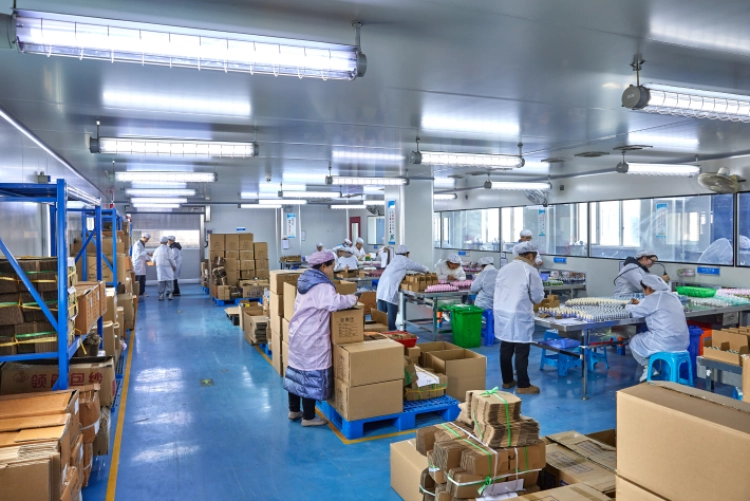
Visitors naturally watch the filling line. Trouble, however, often starts earlier, when sales hands an order to the lab or packaging sends a component into purchasing. The approved references must travel with the job. Otherwise, good equipment may simply make the wrong version faster.
BGVE produces color cosmetics and professional nail items. The service path shown on its site runs from planning and formula work into purchasing, manufacture, regulatory filing, inspection, storage and logistics. For a live order, the key is whether those functions use the same version of the brief.
Take an order and draw its route. Beside every transfer, note the live reference, the unresolved choice and the person with authority to revise it. Blank spaces on that page deserve attention before sampling starts.
Where Does OEM Capability Begin?
Define the project before asking the lab for a sample. A sales channel and destination can change the pack, claims and documentation; finish and order pattern can change the development route. Keep these points together in the current brief. Email chains are poor version-control systems.
Converting a Product Idea into Lab Instructions
Consider the phrase “a lightweight lip product for online retail.” It points in a direction but leaves the lab guessing about finish, feel, shade family, package, use, market and approval. Assign one owner to the live brief. When nobody owns it, rejected bottles and old shade images tend to find their way back into circulation.
Choosing Between a Ready Formula and Custom Work
A ready formula offers a shorter sampling route, while a custom route may suit a specific texture, color system, ingredient direction, claim or market. BGVE presents both ready formula choices and customization within its OEM capabilities. Compare the approval work required by each route, not the impression created by the word “custom.”
Where Formula Work Meets the Package
A formula and its pack behave as a pair. Viscosity changes pickup. The wiper controls the dose. Decoration consumes label space. Closures sometimes behave differently after filling than they did in a drawing. Separate decisions create a loop in which each team corrects the other team’s work.
Formula Decisions Need a Physical Reference
Descriptions are enough to start a lab trial, not enough to close one. Keep a physical reference and the comments that produced it. Record the shade, finish, feel and package used in the review. On the next round, note whether the formula, component or method of application changed. That prevents a packaging symptom from being sent back to the lab as a formula fault.
Packaging Support Goes Beyond Decoration
Painting, labeling and bottle style are easy to see. Compatibility is not. BGVE’s OEM page names leak, heat-resistance, accelerated, microbiological, stability and package-compatibility testing among its lab activities. The sensible test route will vary by formula, component and destination, so agree on it for the actual project rather than ordering every test by default.
What Production Controls Protect the Approved Version?
Daily output says little about control on its own. Production has to reproduce the approved item while ingredients, components, people and equipment move through the plant. BGVE describes pre-production sampling, production orders, material checks, mixing, in-process checks, filling and packing, final inspection and storage as parts of that flow.
Materials Must Match the Production Order
The production order should tie the approved formula to the material issued for the batch. Check ingredients and components against it before mixing or filling. A substituted component, old artwork file or wrong cap color belongs here on the exception list. Once it has entered the line, every correction takes longer.
In-Process Checks Catch Problems Before Filling
Check the bulk product before filling whenever the process permits. Color, viscosity and uniformity are examples, but the control set changes by category. Nail polish cannot share every release check with foundation or eye makeup. Set the release rule in advance; line availability must not become an informal approval.
Final Inspection Connects Product and Pack
Finished-unit inspection starts after product and pack become one saleable item. Check appearance and fill alongside closure, label, carton and storage. Lab approval cannot reveal a cap left loose on the line or a label applied out of position. Final inspection is where those issues should surface.
Reading Capacity Figures in Project Context
Capacity must be read in context. BGVE publishes more than 200,000 bottles of nail polish and 150,000 lip-product units as daily production figures. The numbers show available scale. They do not say that a particular line, component set or date has been reserved. That comes from the order schedule.
Factory Scale Needs Coordination
The BGVE company profile gives 2012 as the founding year and lists 260 employees. It describes a GMPC-certified factory on a 3,000-square-meter site and 18,000 square meters of building space. A project team should then ask three names: who owns revisions, who authorizes production and who reports an exception.
A Production Date Depends on Approved Inputs
Treat the start date as provisional until formula, components, artwork, quantities, documents and shipping marks are released. Give every input an owner and due date. This turns a vague delay into a visible decision that can be resolved.
How Can a Brand Test BGVE’s Stated Capabilities?
Use one proposed item for the review. Trace its brief, samples, tests, package sign-off, line release, inspection and shipment. A factory presentation shows the available departments; this exercise shows whether those departments can pass one order between them.
Use an Approval Map, Not a General Capability List
An approval map can be very simple: item, reference, owner and the next activity released. Formula, shade, package, artwork, production sample and shipment documents may each sit on a different line. This shows what “one-stop service” means on the order instead of leaving it as a sales phrase.
Requesting Evidence That Fits the Order
Build the document request around the question being checked. Certificates, ingredient files, batch records and inspection reports are not interchangeable. Select the records tied to the product and its destination. When reviewing output, include the planned process and production line instead of relying on a site-wide total.
Inputs for the First Technical Discussion
Arrive with the concept, destination, formula direction, pack references, quantity range, target date and document requirements. Mark firm requirements separately from points where the factory may recommend an option. That small distinction helps uncover an unsuitable formula-pack combination or a schedule with no time for corrections.
From Capability Review to a Project Plan
Leave the capability review with a working plan. From BGVE’s stated formulation, packaging, manufacturing, inspection and logistics services, select what this item needs. Assign each sign-off and show where its result goes next.
For a color cosmetics or nail order, contact BGVE with the market, formula direction, pack reference, quantity range and file requirements. The team can then discuss feasibility and approval timing against a defined starting point.
FAQ
What May Be Included in a Full-Service OEM Order?
An order may include planning, laboratory work, sourcing, packaging, manufacture, inspection, storage and logistics. Define the boundary in writing. Artwork release, custody of the approved sample and responsibility for import files are three points worth naming.
Why Review the Formula and Package at the Same Time?
The pack influences filling, wiping, pickup and delivery; the formula influences leakage and component behavior. Test them together during sampling. A mismatch found after the component order usually means either rework or accepting a compromise.
What Should a Factory Capability File Contain?
For one proposed item, look for a current brief, approved sample, agreed test route, material check, production release points, final inspection and shipping file. Output data explains scale. The records show whether the plant can hold the approved version from start to finish.