



How to Choose a Private Label Lip Gloss Manufacturer
October 21,2026
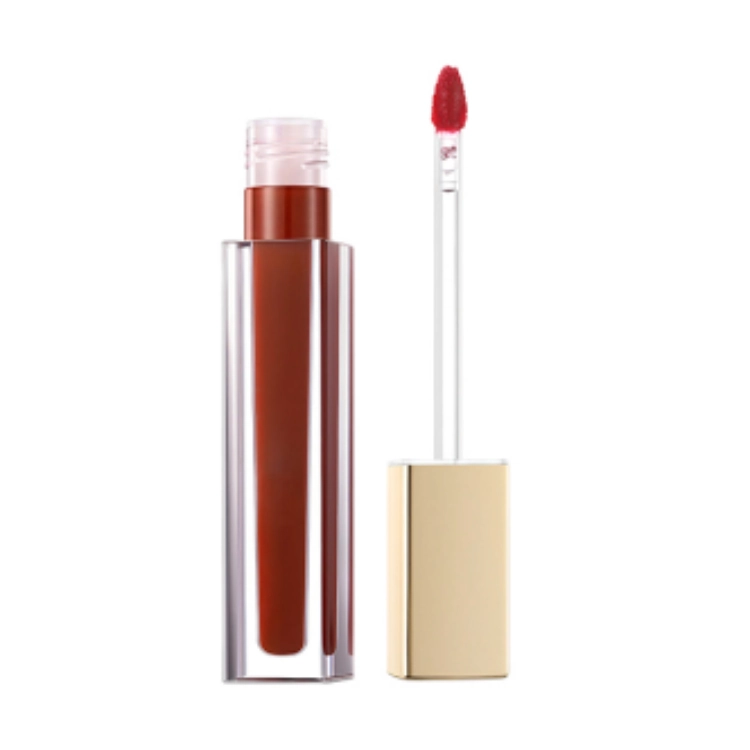
A shade, a tube and a target price are enough to start a lip gloss brief. They are not enough to place an order. Before that point, someone has to check the feel after ten minutes, the amount picked up by the applicator, the label area and the repeat-order process. That is the useful way to compare a private label lip gloss manufacturer: look at the work behind the sample, not just the catalogue.
BGVE is providing OEM and ODM services for color cosmetics and professional nail care products. In the Lip Makeup section you can find information on lip gloss, lip oil, lipstick, lip balm and lip liner. The site also describes the R&D and lab, packaging options and production for products made in according to ISO22716, ISO9000, GMPC and FDA quality standards.
These notes are for a brand team, distributor or salon placing their first order or adding a new shade. They outline some of the minor details that can easily be overlooked but are expensive to rectify after production has taken place.
What Should You Confirm Before Choosing a Private Label Lip Gloss Manufacturer?
Use the use case to decide the gloss is for a salon, an online launch, a retail counter or even a distributor test. Specify who will wear the finish, the finish itself and that the first order is intentionally small. The supplier will then know the best route to formulating, packaging and sending out documents for the initial order size.
Define the Finish and Wear Experience
The word “glossy” leaves too much room for interpretation. Write down whether the brief calls for a clear topcoat, a sheer tint, shimmer or a fuller cushion-like layer. Add whether it will be worn alone or over lipstick. Ask what the applicator is expected to leave behind. A lab can match those details; it cannot match a vague adjective.
Separate Stock Formulas from Custom Development
While stock or semi-custom formulations are typically the best entry point for a first product launch, custom formulations are worth paying for when unusual textures, high pigment load, unusual ingredients or a very distant market are involved. Find out what changes are included in the initial brief. If any of these changes require additional testing or package checks, factor these into your timeline when comparing prices to stock or semi-custom.
Check the Manufacturer’s Product Scope
Look for a supplier who can demonstrate a clear route from one product to another, and don’t assume that all product categories will be suitable. Whilst the BGVE site lists lip gloss products alongside other lip products, as well as face, eye and nail products, each new product will require a separate formula, package and compliance check. The supplier’s broader range of makeup products may be of use to a brand looking to create a coordinated range of products, however each product individually will require work.
How Do Samples Help You Compare Lip Gloss Suppliers?
Keep the original request next to the sample notes for that part and subsequent changes. This will enable the supplier to understand what changes have been made and will form a basis for the final approval.
Test the Formula in Real Conditions
Test the sample using the intended applicator for a ‘normal test’ i.e. don’t just swipe it once and then throw it away. Check spread, appearance of shine, tack, settling, transfer and subsequent removal in the same conditions that the finished product will be used in. For a tinted gloss it is also worth simulating the type of light that will be used in product photography shots. It’s the notes taken 10 minutes later that will be most relevant and of use.
Review Shade and Batch Consistency
Keep the original approved sample as your reference sample. Find out how the approved sample’s shade was recorded and how you would subsequently compare this with a later batch’s samples. The same color can look different on a screen, label and physical surface. A written method of approval is the only fair way to commence a repeat order of an approved item, opened and compared to the approved sample.
Check Packaging Compatibility
Do the package check with the actual tube and applicator. Look at the wiper, neck, closure, label area and transport protection. A leak, a messy opening, weak pickup or a lifting label is enough to send the package back for review. Appearance matters, but usability decides whether the package works.
Which Production and Compliance Questions Matter Most?
Moving on to the sample being close, we must move on from just talking about preference. We need to find out what needs signing off, what documentation will be supplied and how things change for the various countries of destination.
Ask for a Clear Development Sequence
Can you please outline the working sequence in plain English i.e. product selection, brief, samples, formula and color approval, packaging and artwork, production and finally shipping. The BGVE process begins with the identification of the suitable product and subsequently a project schedule outlining the necessary approvals and required information for each stage.
Confirm Documentation for the Target Market
List the country of destination right from the start. Check the list of used ingredients for the appropriate format, the labels, announcements, safety documents and the documents for the importer before going to production. The rules for the markets where our products are sold are being considered by BGVE. However, the buyer has to specify the market and request the appropriate set of files.
Review Minimum Order Quantity and Repeat Orders
MOQ is a cash-flow issue not a footnote to the terms and conditions. Is MOQ per color, formula or pack size? How does approved formula and raw materials translate to repeat orders? A low price per unit has little value when the minimum order quantity creates a stock situtation that cannot be shifted by the new brand.
What Makes a Supplier Suitable for Long Term Cooperation?
For repeat orders, providing a sample, outlining written changes and updates to address the original question, and suggesting an alternative package or related product when the initial idea is not feasible are key.
Look for Technical Communication
Re-state the finish, shade, package, market, quantity and delivery time in your reply. If a point remains open, indicate this and name the check required. The buyer then can easily distinguish between an offer and a detailed specification ready for approval.
Consider the Full Product Range
A brand usually starts with one product and then adds a few more to complete a range. As an OEM supplier of color cosmetics, formulas and packaging of make-up products in tubular form, BGVE can present a wider range of products but each new product has to pass formula, packaging and market review separately.
Plan the Final Enquiry
For initial enquiries, the most important information for us to understand your requirements should be included. This would include reference to product, finish and shade, package details, destination, quantity and any relevant documents and timescale. A simple sketch would also be helpful to clarify the shape of items. Typically we can answer a specific brief but not a request for a catalogue and price list.
How Can BGVE Support a Private Label Lip Gloss Project?
BGVE presents OEM/ODM cosmetics manufacturing with formula customization, packaging support, and product development. Its website also identifies laboratory and R&D resources, samples for selected stock or custom formulas, and categories across lip, face, eye, and nail makeup. Before approval, confirm the exact formula, package, MOQ, document set, and timing for the intended market.
If you are looking for a formula comparison, sample plan or even packaging advice then please send us a product brief along with the destination market requirements for a detailed enquiry that we can work from to check what is possible.
FAQ
What is the difference between private label and custom lip gloss?
Most private label products start life as an existing formula or a semi-custom formula which is then sold under the buyer’s brand name. Custom development involves amending the formula, altering the feel, introducing a new shade system, changing the packaging or some other key aspect of the original brief. Suppliers differ as to how much is included in the fee for custom development and how long it will take, so it is essential to clarify this prior to making any decisions regarding cost and lead time.
How many samples should I test before placing a lip gloss order?
There is no specific number of samples needed to evaluate all finish, shade, applicator, package and market requirements. Once you have established the required information, cease further sampling. Maintain only one approved reference sample and record all subsequent changes. The record is more important than the number of samples.
Can a cosmetics OEM manufacturer help with packaging?
OEM/ODM suppliers will often discuss packaging with the formula. Find out who sources the components, checks for compatibility, what the maximum print area is for artwork and who is responsible for obtaining approval for the packaging. BGVE state they can offer packaging for a variety of products and can be branded to suit a company’s needs. We still need to confirm the best route for this project.