



How to Choose the Right Liquid Foundation Texture and Finish
September 29,2026
Choosing liquid foundation is easier when you separate coverage, finish and texture. Shade is important, but a correct shade can still look wrong if the formula is too dry, glossy, thick or quick to set for your routine.
This guide explains how to compare liquid foundation textures without relying on marketing labels. For a product reference, see BGVE‘s liquid foundation page and its wider face makeup category.
Key Takeaways
-
Coverage, finish and texture are separate properties and should be tested separately.
-
Water-based and emulsion formulas can feel different even when they offer similar coverage.
-
Shade matching works best when tone, undertone, lighting and set time are considered together.
Start With Coverage, Not the Finish Name
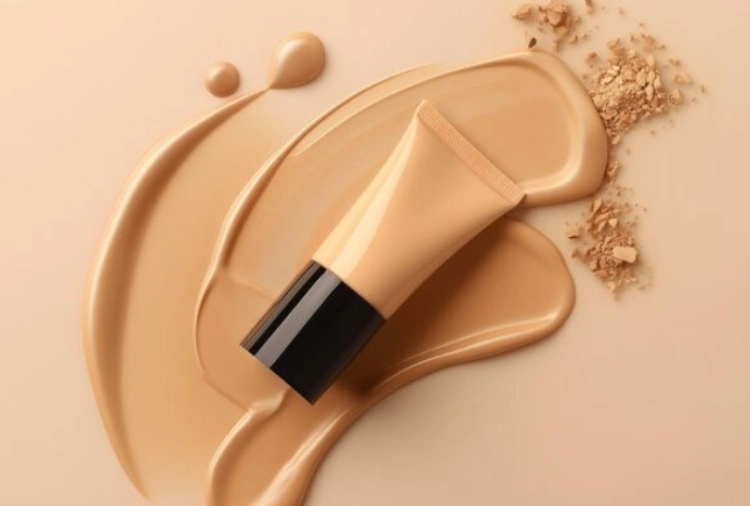
Coverage describes how much of the natural skin tone remains visible. Light coverage leaves more of the skin showing and is often easier to apply quickly. Medium coverage gives a more even appearance while retaining some natural variation. Higher coverage relies on more pigment and usually benefits from thinner layers rather than one heavy coat.
Coverage is not thickness. A fluid foundation can provide noticeable coverage, while a thicker cream may look sheer if pigment is low. Spread a measured amount over the same area and check it after setting.
Understand Finish: Matte, Natural and Radiant
Finish is the surface appearance after application. A matte finish reflects little light and can look structured in photographs. A natural or satin finish keeps a small amount of skin-like dimension. A radiant or dewy finish reflects more light and can make a makeup look feel fresh.
Preparation, powder, climate and amount applied all affect finish. A radiant formula may look natural in a thin layer, while a matte formula can look heavy around the nose or mouth. Treat the label as a starting point and observe it after several minutes.
Compare Liquid Foundation Textures
Fluid, Serum-Like and Emulsion Textures
Liquid foundations can feel watery, serum-like, creamy or emulsified. A fluid, water-based texture usually spreads quickly and can be useful for light layers. A more emulsion-like texture may feel richer and give additional working time for blending. Oil-control formulas often set faster or leave a drier surface, while moisturizing textures may retain more slip.
These are practical descriptions of formula behavior, not claims about skin health. The same texture can perform differently with another primer, sunscreen, tool or climate.
How to Choose for Dry, Oily or Combination Skin
Adjust the Formula to the Skin’s Surface Behavior
For dry-feeling skin, look for a formula that remains flexible while blending and does not set into a visibly powdery film. A natural or radiant finish may be easier to wear than an aggressively matte one, but the amount of product still matters. Apply a small amount to the high points of the face first and add coverage only where needed.
For oily-feeling skin, a lighter layer and a controlled set can be more useful than choosing the most matte product available. Test whether the foundation remains even around the center of the face and whether powder changes its texture. For combination skin, use one thin base and adjust coverage or powder by zone rather than applying a heavier formula everywhere.
They are starting points, not rules; weather, skincare and personal preference can change the result.
Match Shade and Undertone in the Right Place
Shade refers to how light or deep a color appears. Undertone describes the subtle warm, cool or neutral direction underneath the surface color. Test several close shades along the jawline, where the face transitions to the neck. Let the swatches sit for a few minutes, then check them in daylight or neutral white light.
The best match usually disappears across the face and neck transition, rather than looking best on the hand. A close match can be adjusted with a compatible mixer, but test texture and wear as well as color.
Application Method Changes Texture
A damp sponge can sheer out a creamy or high-coverage formula and leave a softer surface. A dense brush can build coverage quickly but may show more texture if the product sets fast. Fingers warm the formula and can work well with light, fluid products, especially when the goal is a thin layer.
Use a small amount first, place it where coverage is needed, and blend toward the edges. Wait before adding another layer so the pigment and fluidity stay balanced.
A Practical Wear Test
When evaluating liquid foundation, record four observations: spreadability, set time, appearance after fifteen minutes and ease of touch-up. Test the product with the primer and application tool you actually use. Check areas that move, such as around the nose and mouth, as well as the forehead and cheeks. A formula that looks excellent immediately may shift after it settles, while another may improve as excess slip disappears.
BGVE describes its cosmetics business as OEM/ODM manufacturing and lists custom formula, color, bottle, label and packaging services on its OEM page. For any customized foundation, those specifications should be recorded together: target coverage, finish, shade range, packaging format and the application experience expected by the user.
Frequently Asked Questions
Should foundation be lighter or darker than the skin?
Neither. Start with the closest match to the face and neck transition, then check it in suitable light after it has set.
Is a dewy finish always better for dry skin?
No. Finish is a preference and a formula behavior, not a guarantee of comfort. A thin, flexible natural finish may work better for some routines than a highly reflective product.
How can I avoid a heavy result?
Use less product, apply it in zones and build only where coverage is needed. The tool and the time you allow the first layer to set also make a difference.
Final Thoughts
The right liquid foundation is the one whose coverage, finish and texture fit the way you apply makeup. Compare those properties separately, match shade at the jawline, and allow the product time to settle before judging it. This simple process makes foundation selection more repeatable and helps you describe what you need when comparing products or developing a customized formula.