




How Do You Make a Matte Nail Polish on Gel and Regular Nails?
September 17,2026
To make regular nail polish matte, apply a compatible air-dry matte top coat after the colour is fully dry. To make gel nail polish matte, use a gel matte top coat and cure it under the specified UV or LED lamp. The method must match the polish system: mixing air-dry and lamp-cured products can cause wrinkling, tackiness, or uneven wear. BGVE works with both nail polish systems, so buyers should confirm the formula, top coat, drying or curing method, and removal route as one product brief.
What Creates a Matte Finish on Nail Polish?
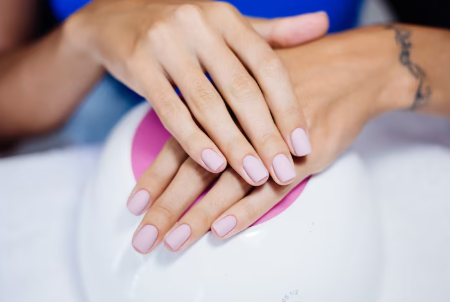
Glossy nails reflect light from a smooth surface. Matte nails scatter that light, so the shine disappears while the color stays the same.
Matte Top Coat Technology
The most reliable method is a compatible matte top coat. Regular polish needs an air-dry top coat, while gel polish needs a lamp-cured gel top coat. BGVE’s Matte Nail Polish direction reflects this difference. Mixing systems, applying a coat too thickly, or using an unsuitable lamp can cause wrinkling, tackiness, or uneven wear.
DIY Methods and Their Limits
Cornstarch, steam, and light buffing can reduce shine, but they are not equally safe or repeatable. Powder can change viscosity and film consistency, steam can create patchy results and a burn risk, and buffing is suitable only for fully cured gel. For a consistent retail or salon result, use a compatible matte top coat.
How Do You Make a Nail Polish Matte on Regular Nails?
Regular polish dries as its solvents evaporate. Thin coats and enough drying time matter most. For a broader side-by-side on wear, application, and removal, see our matte nail polish vs. regular nail polish guide.
Matte Top Coat Application
Clean and shape your nails, then remove dust and oil. Apply a base coat and two thin color coats. Let each layer dry before adding the next. Thick polish may feel dry on top while staying soft underneath.
When the color is fully dry, apply one even matte top coat in three or four steady strokes. Do not keep brushing the same wet area, since this often leaves shiny tracks. Cap the free edge to slow chipping.
Dark red, navy, and muted brown often look rich in matte. Chunky glitter loses some sparkle because a matte surface reflects less light.
For a brand sample record, note the colour, finish, coat count, drying conditions, brush, bottle, and approved surface appearance. BGVE’s representative regular nail polish reference is 10 ml per bottle, with solid content of at least 30%, a pH range of 5.5–6.5, and friction resistance of at least 500 cycles. Confirm the figures against the selected SKU and its test method.
Cornstarch and Steam Methods
Treat powder-based DIY methods as temporary home experiments, not as a repeatable product process. Do not add cornstarch or another powder to the original bottle. If a separate test is made, use only a small disposable amount and do not use the result as a wear or quality standard.
Steam is not recommended as a standard matte-finishing method because temperature, distance, and exposure are difficult to control. Keep hands away from hot water and open product. Use an air-dry matte top coat when consistency and safer handling matter.
How Do You Make Gel Nail Polish Matte?
Gel polish forms a cured film instead of an air-dried one, so creating a matte finish requires a gel-compatible process and the correct lamp exposure.
Gel Matte Top Coat and Lamp Curing
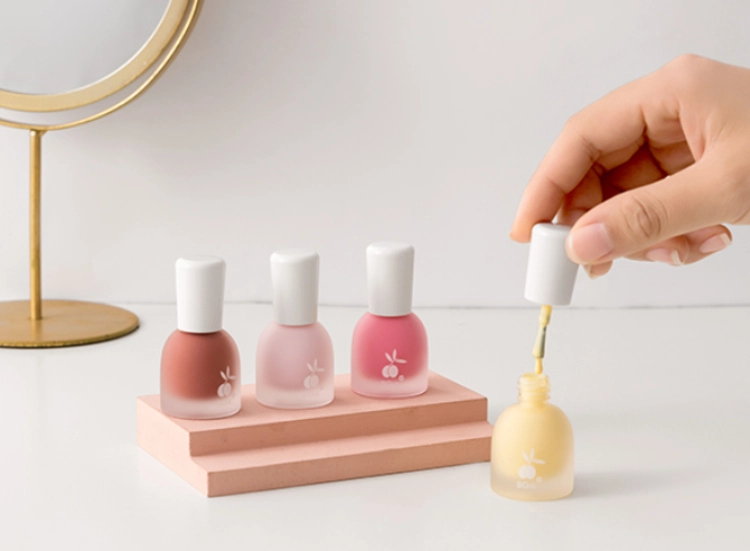
Apply base gel and cure. Apply thin layers of color gel allowing to cure as directed between each application. Finish with a gel matte top coat and cure under the correct UV or LED lamp.
BGVE’s representative gel nail polish reference uses 30 seconds under the specified UV lamp and 60 seconds under the specified LED lamp, with hardness of at least 3H and a temperature-resistance reference of -10°C to 50°C. These are SKU-level references, not universal rules; confirm the final matte top coat, lamp model, coat thickness, and test method before publishing a performance claim.
A thick coat may wrinkle, while weak or incompatible curing can leave the film soft. If the formula has a tacky inhibition layer, wipe it only after the specified cure. For buyer-side evaluation, record the top-coat formula, coat thickness, lamp type, curing time, and approved finish sample instead of judging one nail in isolation.
Surface Buffing on Fully Cured Gel
A glossy gel manicure can be made matte with a very fine buffer. Cure the gel fully first. Use light, even pressure until the shine disappears, then remove all dust. Stop before reaching the color layer. A matte gel top coat usually looks more even.
Why Does a Matte Finish Look Uneven or Turn Shiny?
Matte surfaces reveal ridges, brush marks, and thin spots. Oil and friction can also bring back shine.
Streaks, Ridges, and Patchy Texture
Common causes include wet color, uneven top coat thickness, too much DIY powder, or incomplete gel curing. Apply thin layers and give each one enough time. One calm pass looks better than several quick corrections.
Oil, Wear, and Finish Maintenance
Hand cream, cuticle oil, and repeated rubbing can polish the surface. Apply oil around the nail instead of across it. Clean the nail before adding a fresh compatible matte top coat.
The safest way to achieve a matte finish is to match the finish of the top coat to the formula of the polish. So for regular polish an air-dry matte top coat would be used, and for gel polish a lamp-cured matte top coat. It is also very important to apply thin coats and to make sure the polish is completely dry or fully cured.
FAQ
Can You Put a Regular Matte Top Coat Over Gel Polish?
Yes, but wear may be uneven. A gel matte top coat bonds better.
Why Does Matte Gel Polish Feel Sticky After Curing?
The coat may be too thick, the lamp may be weak, or the curing time may be too short.
How Do You Make a Nail Polish Matte Without a Matte Top Coat?
A compatible matte top coat is the most consistent option. Light buffing may reduce shine on fully cured gel, but powder and steam methods are less controlled and should not be treated as a product-quality standard.