

How to Choose a Lipstick Texture for Different Makeup Looks
September 28,2026
Lipstick texture changes more than the shine on your lips. It affects how color moves, how quickly a product sets, how much touch-up it needs, and whether the finished look feels soft, polished, blurred or high-impact. The best choice depends on the makeup look, the time available for application and the level of comfort you expect from the formula.
This guide explains the main lipstick textures in plain terms and shows how to match them with everyday, office, evening and layered makeup looks. For a broader view of lip products, see BGVE‘s lip makeup category.
Key Takeaways
-
Matte, velvet, creamy and glossy textures create different visual and wearing effects.
-
Texture should be selected with the whole makeup look and application method in mind.
-
A balanced formula usually combines a color system with waxes, oils, powders and film-forming ingredients.
What Does Lipstick Texture Mean?
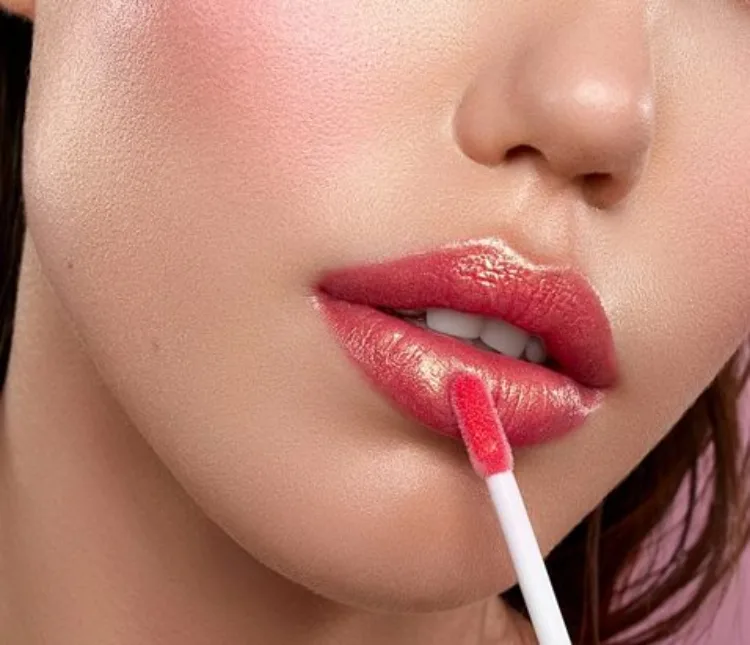
The term lipstick texture describes the feel of a lipstick formula, its spreading and setting properties. The lipstick finish on the other hand describes the surface appearance of a lipstick, i.e. whether it is matte or glossy. The lipstick texture however describes the physical experience of wearing a lipstick and can be dense and creamy or light, cushiony, fluid like or balm-like.
For a traditional lipstick, waxes form the stick, oils control glide, pigments provide color and powders affect slip. A liquid product may apply wet and then form a flexible film. That is why the same shade can feel different in different formulas.
How Formula Components Change the Feel
Some waxes will help to make a stick formula firmer than others. Some oils will increase glide. Some powders will help to reduce slip or change the look of a lip color. In a liquid formula, film-forming ingredients help the color to set quickly and interact with a cup or mask. However, these are purely formulation differences and the only real test is how it will spread and wear on the lips.
Matte Texture: Defined Color With Little Shine
Matte lipstick typically has a very low shine and lots of color, so it’s great for a graphic red lip look, a very clean and editorial look, or to just add lots of structure to your lips so they stand out without any shine.
To get Matte formulas to look even on uneven lips, apply a thin layer, press your lips together once and then use a small brush to paint the line of your lips if you need to. A little balm under Matte formulas helps to make them more comfortable to wear but too much slip will ruin the finish of the formula.
Velvet and Mousse Textures: Soft-Focus Definition
These kinds of formulas have a texture of velvet or mousse and are thus situated between a traditional matte lip product and a very creamy one. When applied they feel padded on and even though they are layered flat on the lips, when they dry they form a diffused, soft-focus surface. Such a lip product is best used for creating blurred edges, gradient lips and general everyday, casual color.
For a diffused effect apply product to the center of your lips and then gently blend out the edges. For more definition apply color in two light layers. The product’s soft texture allows it to be applied as a sheer stain or built up for a fuller lipstick look.
Creamy and Satin Textures: Flexible Everyday Color
Creamy and satin lipsticks have more glide and a gentle sheen. They are practical for office makeup, quick touch-ups and looks where the lips should appear polished without looking highly reflective. The softer surface also makes it easier to blend a lip liner and lipstick together.
Cream formulas may transfer more readily than a set matte. Start with a small amount, blot once if needed, and keep the edges neat. For a custom product line, test packaging and bullet stability alongside color because softer textures can react differently to heat and pressure.
Glossy and Balm-Like Textures: Light and Reflective
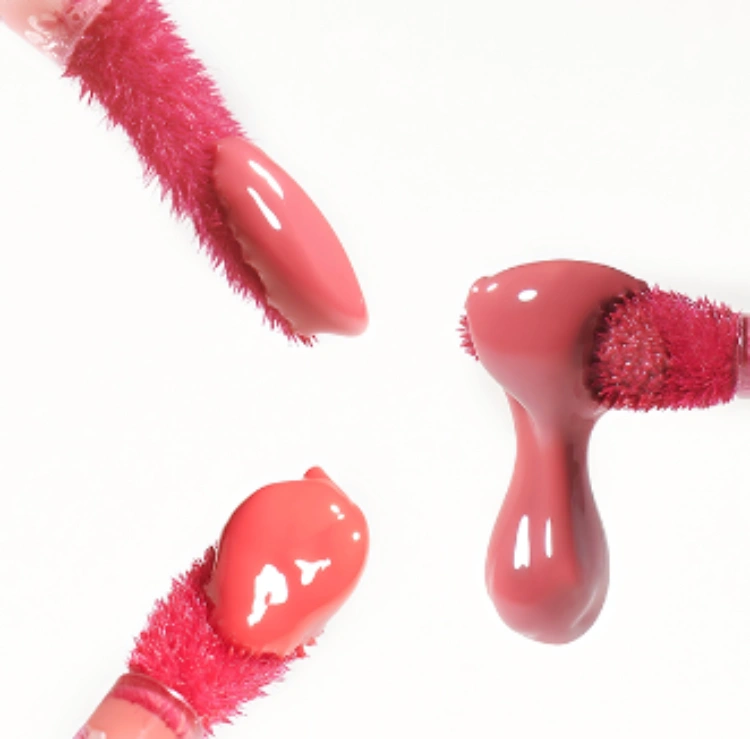
Glossy textures create visible shine and can make a makeup look feel fresh or deliberately high-impact. Balm-like formulas are usually lighter in color and combine a smooth, conditioning feel with a translucent wash. They work well with minimal makeup, luminous skin and quick application on the go.
Shine emphasizes lip shape, so the outline may look softer than with matte color. A liner can provide structure, while gloss in the center adds dimension without changing the whole finish.
Liquid Lipstick: Application Changes the Result
Liquid lipstick is a product format rather than one single finish. It can be glossy, creamy, velvet or matte depending on the formula. The applicator distributes a thin film, which is useful for strong pigment and for reaching the corners of the mouth.
Let the first layer settle before adding more. Overworking a partially set formula can create drag. For a softer result, place a little in the center and blur outward; for definition, outline with the applicator tip or a brush.
How to Match Texture to a Makeup Look
Match the Texture to the Level of Definition
Choose the texture by asking what should lead the look:
-
Daily makeup: creamy, satin or balm-like textures keep the result easy to adjust.
-
Office makeup: satin or soft matte gives definition without excessive shine.
-
Blurred or Korean-inspired looks: velvet, mousse or a sheer liquid tint works well with diffused edges.
-
Evening makeup: matte or high-pigment liquid provides stronger contrast, while gloss can add a reflective accent.
-
Layered looks: begin with a comfortable cream or stain, then add matte color or gloss only where you want more dimension.
Shade still matters. A deep shade can look formal in a creamy texture and graphic in a matte texture. Pale or bright shades need an even base to avoid emphasizing natural variation.
A Simple Texture Test
When comparing products, test the same shade family in several textures. Note four things: how the product spreads, how it looks after five minutes, how it changes after drinking, and how easy it is to remove or touch up. This small test separates the immediate first impression from the way a formula behaves during wear.
BGVE’s product range includes lip products and OEM/ODM development support. Its OEM service page describes work on formulas, colors, bottles, labels and packaging, while the company overview provides broader business context. Those details are relevant when a texture needs to remain consistent from the first sample through finished production, but the selection of a texture should still start with the intended user experience.
Final Thoughts
There is no universally best lipstick texture. Matte offers structure, velvet softens the edges, creamy and satin formulas balance comfort with definition, while glossy and balm-like products add light and movement. Choose the texture that supports the makeup look, then test the formula under realistic application and wear conditions. That approach gives a more useful result than choosing by finish name alone.