





Eco-Friendly and Vegan Nail Polish Suppliers: What Buyers Should Check
September 22,2026
Put two sample bottles on a desk. Both may carry green leaves and clean-looking labels, yet that tells a buyer very little. Choosing Nail Polish Suppliers for a vegan or lower-impact line means taking the claims apart. Vegan concerns animal-derived ingredients. Environmental impact reaches into the bottle, cap, carton, factory, transport, and waste. “Natural,” “non-toxic,” and “recyclable” answer still other questions.
BGVE manufactures nail and makeup products and supports OEM/ODM development. Its factory workflow includes formula development, material purchasing, production, inspection, warehousing, and logistics. That makes it possible to discuss the product and its package together, but each sustainability claim still needs to be defined for the target market.
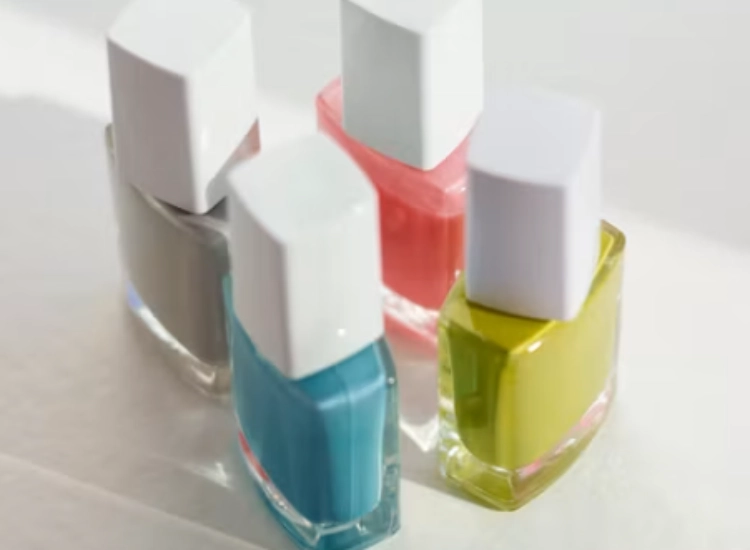
What Do Eco-Friendly and Vegan Nail Polish Claims Actually Mean?
Clear definitions help Nail Polish Suppliers answer the right questions and help brands avoid vague packaging claims.
Vegan Formula and Ingredient Review
A vegan formula should leave out animal-derived ingredients. Ask for the ingredient list, the origin of uncertain materials, and any declaration needed for the sales market. For a vegan or lower-impact nail polish brief, request the final ingredient list, origin statements for uncertain materials, packaging BOM, recycled-content declaration where applicable, and market-specific claim review. A GMPC factory certificate supports manufacturing controls, but it does not by itself certify that the finished polish is vegan or environmentally friendly.
Lower-Impact Packaging Choices
A nail polish pack includes the bottle, cap, brush, wiper, label, carton, and shipping protection. Calling the glass recyclable does not settle what happens to mixed parts. Check the disposal route in the target market and remove unnecessary layers before making a broad claim. Record the material and weight of each component in the packaging BOM so the sustainability statement can be checked against the finished pack.
How Should Buyers Review a Nail Polish Formula?
A vegan nail polish manufacturer must still meet basic application expectations. Start with how the polish behaves on a real nail and connect that performance to the chosen finish and claim.
Color Coverage and Finish
Matte Nail Polish gives buyers a concrete finish to assess. Review coverage after one and two coats, brush marks, drying appearance, and consistency across samples. A matte surface can reveal uneven application more readily than a glossy top layer, so color and flow need to be judged together.
Drying Time and Wear Expectations
BGVE’s product information gives a reference of about 30 seconds for regular surface drying and 15 seconds for a quick-drying option, with a stated wear period of three to five days. Confirm these figures for the final formula and test method. Surface-dry time is not full resistance to dents, and wear varies with use.
Nail Care Ingredients and Formula Positioning
Vitamin E is listed as a nail-care ingredient in the product direction. It can support a care-oriented product story, but it should not be turned into a medical promise. The formula brief should say what the ingredient does in the product and which claims can be used legally in the destination market.
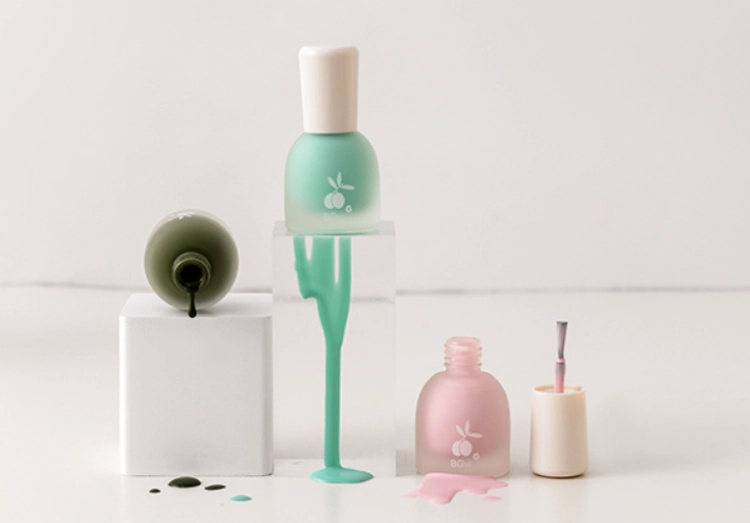
What Production Standards Should Suppliers Be Able to Explain?
Nail Polish Suppliers should be able to tell a buyer, in plain language, who checks the formula, the room, the equipment, and the finished batch. A vague “QC passed” answer isn’t enough for a repeat order.
Raw Material and Formula Development
BGVE has an internal R&D team and states that laboratory prototypes can be prepared within seven days. The brief should include finish, color references, excluded ingredients, packaging format, market, and required documents. A sample is a starting point, not automatic approval.
In-Process and Finished-Product Checks
BGVE uses initial, intermediate, and final inspection, mainly through sampling. Ask what each checklist covers and what happens when a sample fails. A buyer can use the guide on testing nail polish quality before buying as a simple prompt for the next sample meeting.Keep the signed sample record, batch reference, and acceptance criteria together for repeat orders.
Factory Environment and Quality Management
BGVE states that its factory is GMPC certified and includes a 100,000-level purification workshop with 6S management. These facts describe the production environment; they do not prove every eco-friendly or vegan claim. Product-level documents and market-specific compliance still need separate confirmation.
How Can Buyers Compare Suppliers Without Overstating Sustainability?
A short comparison of Nail Polish Suppliers is more useful than a wall of fashionable terms. Put the evidence beside each promise. Empty cells on that sheet are useful; they show what still needs an answer.
Ask for Specific Formula Information
Request the ingredient list, excluded substances, color and finish range, drying target, wear target, and sample test conditions. Ask which details may change when raw materials or colors change.
Separate Verified Facts From Marketing Language
Vegan, cruelty-free, acetone-free, recyclable, biodegradable, and “free-from” claims answer different questions. Keep a note beside each promise. Use the wording the supplier and brand can actually stand behind.
Check Sampling, MOQ and Long-Term Support
Discuss sample rounds, color matching, packaging compatibility, minimum order quantities, batch consistency, lead time, and reorder records. A sustainable product plan also needs continuity; frequent reformulation or unusable excess packaging can undermine the original goal.
Conclusion
Good Nail Polish Suppliers make claims specific and testable. Buyers should review ingredient origin, formula behavior, packaging components, production controls, documents, samples, and repeat-order support. A vegan statement should be verified as a vegan statement, while environmental improvements should be described through the actual formula, package, and process choices. Use a simple go/no-go rule: move to an approved sample only when the final formula, ingredient origins, packaging components, target-market claim wording, and test records are documented. If any of these remain unclear, keep the claim off the packaging and resolve the evidence before placing the bulk order.
Contact BGVE About Nail Polish Development
Discuss Formula and Product Positioning
Use the BGVE contact page to share the target market, formula exclusions, finish, packaging idea, quantity, and required claims. Related care products such as Nail Polish Remover and Cuticle Revitalizer can be reviewed only where they support a coherent nail-care range.
Review Nail Polish and Supporting Care Products
Keep each supporting product only where it completes a realistic nail-care routine.
Request OEM/ODM and Sampling Information
Send the formula exclusions, claims, market, quantity, and packaging brief through the linked contact page.
FAQ
What Should Buyers Ask Nail Polish Suppliers About Vegan Formulas?
Ask Nail Polish Suppliers for the ingredient list, origin of uncertain materials, processing aids, declaration format, and any required third-party certification. Confirm that the evidence applies to the final formula, not merely to the factory.
Is Vegan Nail Polish Automatically More Eco-Friendly?
No. Vegan describes ingredient origin. Environmental impact also involves packaging, production, transport, product life, and disposal, so the two claims should be assessed separately.
How Can Buyers Check Nail Polish Quality Before Ordering?
Test real samples for application, coverage, drying, finish, wear, stability, packaging compatibility, and batch consistency. Agree on acceptance criteria before mass production.