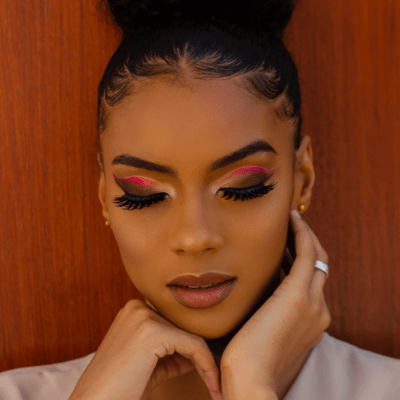




Which Type of Eyeliner Matches Your Desired Look? Felt-Tip vs. Brush-Tip Eyeliner
September 18,2026
Choose a felt-tip eyeliner when you want a firm point, predictable pressure response, and quick everyday definition. Choose a brush-tip eyeliner when you want a fine inner corner, a tapered wing, or more variation in line width. The final choice also depends on lid texture, drying speed, pigment flow, and whether the formula must resist sweat, oil, or humidity.
The BGVE combines the aspects of formula, packaging and testings in the company’s background of cosmetics manufacturing. Tip shape is only one part of performance. Ink flow, drying speed, pigment distribution, cap sealing, and the fit between the formula and the tip all affect whether a line starts cleanly, stays even, and remains usable after repeated opening.

How Does Felt-Tip vs. Brush-Tip Eyeliner Change the Line?
Tip firmness changes how the line starts, widens, and ends.
Firm Felt-Tip Control
A felt tip feels like a fine marker. It bends only slightly, helping the line stay even when your pressure changes. Short connected strokes work well along the lashes, followed by a small wing.
A firm point, however, may skip across fine folds or mature skin.
Flexible Brush-Tip Movement
A brush tip uses soft fibers that spread under pressure. A light touch creates a narrow line, while extra pressure adds width. It works well for tapered wings, fine inner corners, and graphic shapes.
The same flexibility makes small hand movements visible. A tight grip can flatten the fibers and leave a thick mark.
Which Eyeliner Is Easier for Your Skill Level?
Ease depends on experience, available time, and how often you need to correct the line. A firm felt tip usually reduces pressure variation, while a flexible brush tip offers more control over taper and width once the hand becomes steadier.
Beginner-Friendly Stability
A felt tip is usually easier when you are learning wing placement. You can stamp a guide at the outer corner before joining it to the lash line.
A fine point can create close-to-lash definition. BGVE’s representative Fine-Tip Eyeliner Pen reference uses a 0.1 mm tip, but the final line also depends on liquid flow and lid texture. A dry point may drag, while excess liquid can spread into the lashes.
Precision for Experienced Hands
A brush tip gives you more line variation once your hand becomes steadier. You can move from a fine inner line to a fuller outer edge, then reduce pressure to form the point.
Draw the wing with your eye open if your lids fold. Pulling the skin tight may leave the line uneven after release.
Which Tip Creates the Look You Want?
Some looks need soft definition. Others depend on a crisp wing above mascara.
Clean Daily Definition
Felt tips suit short wings and consistent lines close to the lashes. Brown liner softens the result and makes small differences between both eyes less noticeable. A narrow line between the lashes can add enough depth without covering much of the lid. Oddly, that tiny change often matters more than another coat.
Sharp Wings and Graphic Lines
Brush tips suit long wings, pointed tails, and shapes that need changing width. The fibers follow the lid curve, creating a smooth taper with less patching. For a step-by-step wing technique, see our guide to how to create the perfect winged eyeliner with liquid liner.
For hooded eyes, mark the wing while looking straight ahead and let the line dry before opening the eye fully. In this situation, drying speed and transfer resistance matter as much as the tip format.
What Else Should You Check Before Choosing?
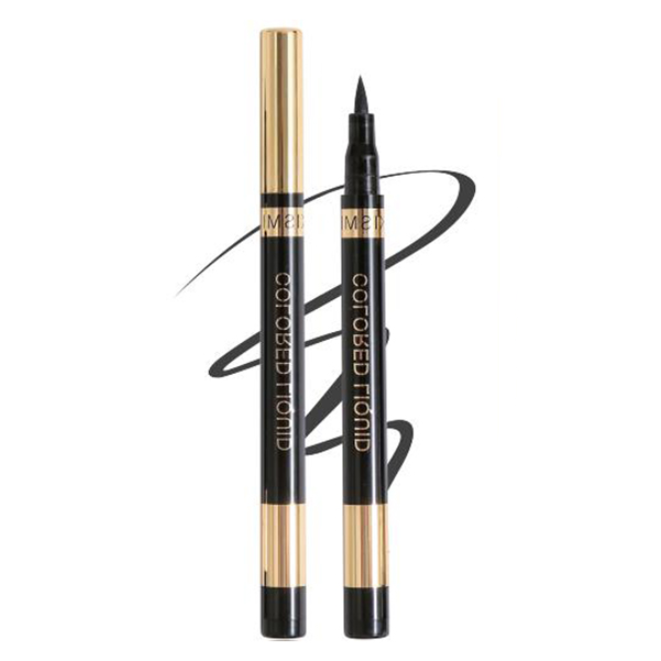
A well-shaped tip cannot correct weak pigment, uneven flow, or poor cap sealing. BGVE includes Liquid Eye Liner within its product range, and a buyer should compare the formula, tip, barrel, cap, and approved line sample as one system.
Formula, Flow, and Wear
Good liquid eyeliner should appear evenly in one or two passes. Too much liquid can flood the lash line, while too little creates pale gaps. Quick drying limits transfer, but an instant-set formula leaves less time for correction. BGVE’s representative eyeliner reference includes a quick-drying, water- and sweat-resistant direction, an IPX6 water-resistance reference, and a two-year shelf-life reference. Treat these as SKU-level references and confirm the actual test method before making a performance claim.
Water- and sweat-resistant wear matters for oily lids, humid weather, and long days. For each sample, record one-pass colour coverage, surface-dry time under the stated room conditions, transfer after the selected water or sweat test, and whether the cap seals cleanly after repeated opening. Keep the approved line sample, final tip specification, and packaging record together for reorder comparison. Custom specifications are usually confirmed through a formal contact channel.
Eye Shape and Lid Texture
Smooth lids can handle either format. Textured lids respond better to short strokes and light pressure. A brush tip can follow fine folds and create a tapered tail, while a felt tip provides firmer support near the lash line. Choose the format that produces the intended look with the fewest corrections and the least pressure on the eyelid.
FAQ
Is felt-tip eyeliner always better for beginners?
It is often easier because the point stays firm, but flow and lid texture still matter. A dry felt tip may be harder to use than a balanced brush tip.
Which tip works better on hooded eyes?
Both can work. A brush tip creates a fine tail, while a felt tip gives more control near the lashes. Fast drying reduces transfer.
How should you choose Felt-Tip vs. Brush-Tip Eyeliner for daily wear?
Choose a felt tip for firm control and quick definition. Choose a brush tip for a softer taper, greater line-width variation, or a sharper wing. Then compare drying speed, pigment flow, transfer resistance, and cap sealing before approving the product.