


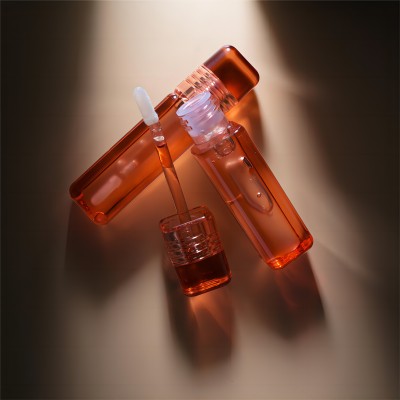


Is Your Nail Polish Remover Ruining Your Nails?
February 06,2026
You enjoy the appearance of a new manicure—the bright shades, the shiny surface, and the manner in which it raises your self-assurance. But have you observed what occurs the instant that shade disappears? If you spot pale spots, flaking surfaces, or a dull yellow shade, you are not by yourself. Plenty of individuals point to the polish as the issue, but the true problem is usually the solution you apply to take it off. This situation happens to many who love nail care, and it often leads to frustration when the results do not match the effort put in. Over time, repeated exposure to certain removers can build up, making nails weaker and harder to maintain in the long run.
The challenge of keeping attractive nail designs while protecting your real nail condition is genuine. Common removers frequently focus on quick action over gentleness, resulting in hands that smell like a science lab and skin around the nails that feels rough and dry. It is time to examine more carefully what you place on your skin and find a superior method to clear your nails without harming them. Such careful choices can transform your routine, turning what was once a damaging step into a simple, safe process that supports overall nail wellness and encourages consistent beauty habits without worry.
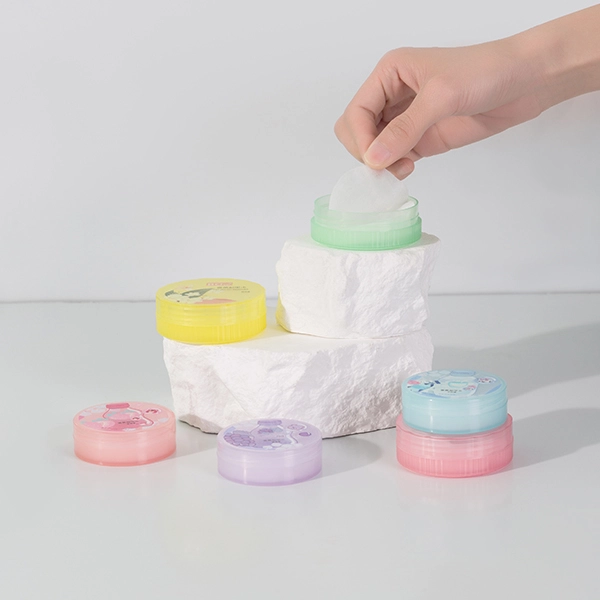
Meet the Game Changer: BGVE
Before we explore the facts about nail harm, you should realize there is a company that truly pays attention to your worries. Meet BGVE, a skilled beauty creator that handles nail treatment with the same care as premium skin products. They view a nail not simply as a surface but as a detailed living part that requires water and shielding. As a person with knowledge in the beauty production field, I have looked at many recipes, but this company excels because they mix strong work output with a “wellness-first” approach. Whether you work in a salon or enjoy doing nails at home, their focus on secure, top-quality parts makes sure your beauty schedule never seems like a trade-off. This dedication shows in every product, as they test extensively to ensure reliability and user satisfaction, helping people from all walks of life achieve better results with less risk. In addition, their innovative methods draw from years of research, making them a trusted name for those seeking practical solutions in daily care.
The Hidden Danger: Why Traditional Acetone Formulas Fail You
Most usual removers depend a lot on acetone. This liquid is common because it costs little and breaks down nearly everything—from thick sparkles to tough gels—in moments. However, that quickness brings a steep price to your health. Users often overlook these effects until damage appears, but understanding the basics can prevent ongoing issues and promote healthier nail practices over time.
The Science of Dehydration
Your nails and the skin nearby hold natural fats and water that make the protein layers bendable. Acetone works as a strong “fat remover.” When you dip a cotton piece in it and hold it to your finger, the substance pulls out all the water. This causes the “powdery” pale leftover you notice after clearing your nails. Without those fats, the protein turns fragile. Imagine it like a dried leaf; after it loses its inside water, it breaks easily with the smallest force. This process repeats with each use, gradually weakening the structure and leading to more visible wear that affects appearance and strength.
Chemical Irritation and Yellowing
Regular contact with high-acetone items can cause skin reactions for people with tender skin. Past the skin, the rough substance response can make the nail surface full of tiny holes. Once the nail has holes, colors from your following manicure can sink further in, creating that hard-to-remove yellow mark that appears to stick forever. You get caught in a loop: applying polish just to cover the harm from the previous clearing. Breaking this pattern requires awareness and better options, as continued use only worsens the condition and limits creative choices in nail styles.
Safe Removal: The Shift to Acetone-Free Innovation
If you wish to end the pattern of harm, you need to switch your supplies. The beauty field has grown, and “Safe Removal” is not merely a popular term anymore; it is essential for those wanting lasting nail wellness. Adopting this change not only protects your nails but also enhances the enjoyment of changing colors frequently without fear of consequences.
How Modern Formulas Work
Mild choices use softer liquids like ethyl acetate or special fat-based mixes. These parts function by raising the color instead of harshly removing the whole area. When you pick a Nail Polish Remover that stresses safety, you sense a clear change in feel. The solution seems smoother, nearly smooth, and it does not fade into the air with a sharp smell. This improvement comes from careful blending of ingredients, ensuring effective cleaning while preserving the nail’s natural balance and reducing the need for additional recovery steps afterward.
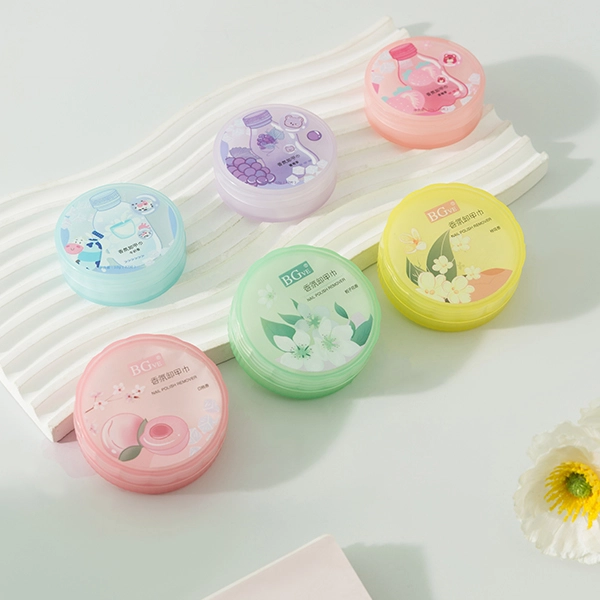
Protecting the Keratin Shield
Your nail consists of protein cell layers. A skilled-level, acetone-free recipe serves like an exact instrument. It aims at the link between the polish and the nail without breaking the “bond” that keeps your protein layers united. This stops the flaking and cracking that usually happens at the nail ends. By selecting a recipe made for feeding, you basically provide a small wellness session each time you switch your shade. Such thoughtful design supports nail recovery, making the whole process more rewarding and sustainable for regular users who value both aesthetics and health.
Nourishing Ingredients: Turning a Chore into Care
The top current removers achieve more than clearing; they restore. Main producers now add their recipes with parts you might see in a high-end hand lotion. This evolution reflects a broader trend in beauty toward products that multitask, combining removal with care to streamline routines and improve outcomes.
Essential Oils and Vitamin E
Seek recipes that contain Vitamin E or plant-based fats. These parts serve as a shield. As the liquid breaks the polish, the fats enter the skin edge and nail base. This makes sure that after the color leaves, your fingers feel gentle and watered instead of stiff and rough. It removes the urge to hurry for a skin oil right away, since the safety is part of the clearing step. These additions not only prevent dryness but also promote smoother application of future polishes, creating a positive cycle of maintenance and enhancement.
Strengthening the Foundation
Certain improved recipes also have building parts that aid in “binding” worn nail borders back in place. This matters a lot if your nails feel “thin as paper.” Rather than the clearing being the toughest part of your week, it turns into a time of healing. You ready a fit, even base for your next style, guaranteeing that your polish applies more smoothly and holds better because the ground is firm. This approach fosters long-term nail resilience, reducing breakage and allowing for more adventurous designs without constant repairs.
Making the Right Choice for Your Lifestyle
Picking a remover goes beyond skipping acetone; it involves fitting the item to your exact wants. If you use dense sparkles or deep reds, you require a solution with good power but low harm. Considering personal habits ensures the choice aligns with daily life, maximizing benefits and minimizing disruptions.
Performance vs. Gentleness
The outdated idea was that acetone-free items failed to perform. That is no longer accurate. Current building has made non-acetone recipes that manage even the richest polishes. Though they may need an additional ten seconds of “holding” on the nail, the exchange is a nail that remains solid and skin that avoids soreness or splits. This balance proves that effectiveness and care can coexist, offering reliable results for busy individuals who change looks often.
Long-Term Benefits
View your nail treatment as a long race, not a short run. In six months, the user of a feeding, safe remover will show longer, tougher, and brighter nails than someone using a cheap bottle of store-bought acetone. You cut costs over time since you skip pricey “nail building” lotions to mend the harm you made. These advantages extend to overall hand health, with fewer issues like brittleness or discoloration, supporting a more confident and vibrant appearance year-round.
Professional Service and Global Reach
When seeking a beauty ally, you desire a group that manages from recipe to last shipment. Leading producers provide wide services that exceed just offering a container. Their global presence ensures accessibility, making high-quality options available to salons, retailers, and individuals worldwide.
Customization and OEM Solutions
For beauty workers, locating a steady producer is crucial. The finest suppliers give OEM services, letting you build your own series of fit removers. They manage the tricky science and safety checks, so you can concentrate on your name. This degree of skilled aid makes sure the items arriving to buyers stay the same and useful. Such partnerships enable brands to stand out in competitive markets by offering unique, safe products tailored to specific customer needs and preferences.
Excellence in Communication
A fine item means little without fine aid. Whether you question part safety or must order large amounts for a salon group, a straight connection to specialists is key. Top companies stress input and keep open contact ways to confirm every user feels content with their effects. This focus on dialogue builds loyalty and trust, essential for ongoing success in the beauty sector where customer experiences drive recommendations and repeat business.
Conclusion
Your nails mirror your general wellness and self-treatment ways. By stepping from rough, common chemicals and accepting the “Safe Removal” trend, you put resources into your hands’ future. Do not allow a brief clearing task spoil weeks of building and attention. Change to a recipe that handles your nails with the softness they merit. This simple shift can lead to noticeable improvements, encouraging a positive relationship with nail care that lasts and inspires others to adopt healthier practices.
FAQ
Q: Does an acetone-free remover take longer to work?
A: It might need a few more seconds of touch compared to real acetone. Yet, by keeping the wet cotton piece on the nail for 10-20 seconds before cleaning, you can clear polish equally well without the substance sting or roughness linked to usual recipes. This method maintains efficiency while prioritizing comfort, suitable for sensitive users or those with limited time.
Q: Can I use these gentle removers on gel nails or acrylics?
A: Most acetone-free removers suit natural nails and standard polish. Since they aim not to break plastics or strong resins, people often use them to wipe the top of added pieces without harm. For complete gel “soak-out” clearing, special recipes are typically needed, but for normal upkeep, the mild kinds are far safer for nearby skin. This versatility makes them practical for mixed routines involving various nail types and enhancements.
Q: Why do my nails still look white after using a “safe” remover?
A: While safe removers improve greatly, any liquid has a minor drying impact. If you see some paleness, it signals your nails were already very dry. Picking a product with extra fats or Vitamin E will cut this down a lot, and adding a fast hand rinse and lotion will make your nails appear ideal. Addressing this promptly prevents escalation, keeping nails in top shape for ongoing care and styling.