



Is Your Liquid Foundation Oxidizing? Why It Turns Orange & How to Prevent It
April 10,2026
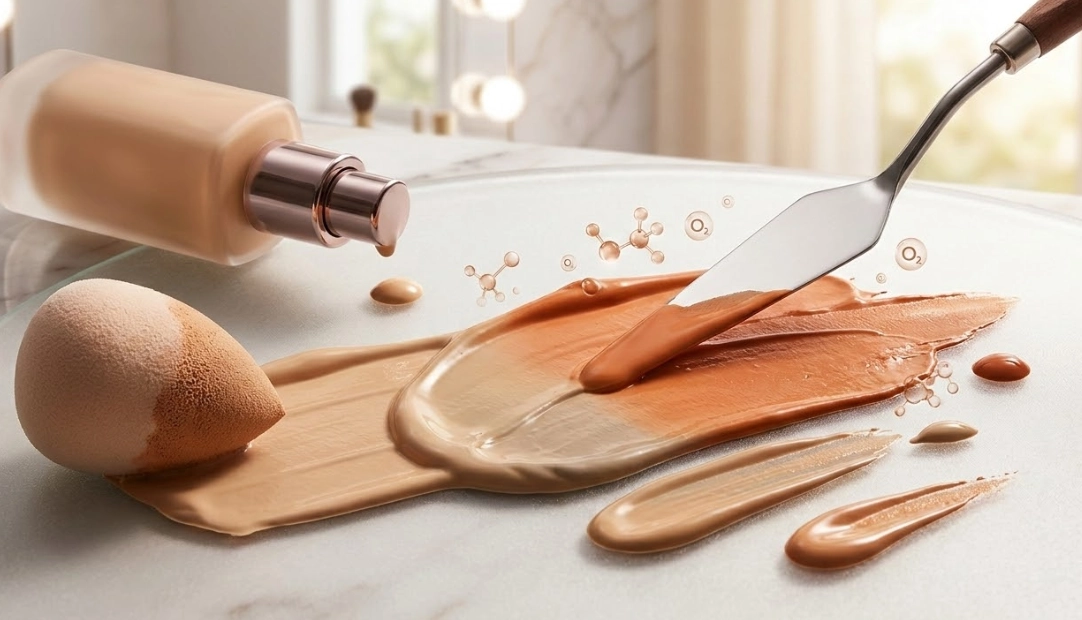
You begin your day with a smooth, bright skin tone. Your face appears balanced, your small openings are softened, and the shade fits your neck just right. However, by 3:00 PM, a fast look in the mirror shows an annoying change. Your face seems flat, dirty, or clearly orange. People call this change oxidation, and it stands as the main cause why many folks find it hard to keep a clean appearance during work hours. This issue affects daily routines, turning what starts as a great look into something less appealing, and it often leads to the need for quick fixes that disrupt the day.
Oxidation goes beyond a small makeup error; it involves a chemical process that can make even costly items seem low-end and not flattering. To handle this, you should go past basic solutions and understand the reasons why makeup shifts shade on your skin. By spotting the causes and selecting mixes made to fight outside stresses, you can bring back your brightness. This knowledge not only helps in choosing better products but also in building habits that support long-lasting results throughout various activities.
The Science Behind Foundation Oxidation
To figure out the puzzle of the orange shade, you need to examine the reactions taking place on your face. Oxidation happens when parts in your makeup connect with outside factors. Picture a cut apple going brown after lying on a table; a close process occurs with your base layer. These reactions build up over time, influenced by daily exposures, and understanding them allows for targeted prevention that keeps your makeup stable.
The Role of Pigments and Oxygen
Many bases depend on iron oxides for their hue. When these color parts meet oxygen, a shift in structure starts. Although current makeup science tries to steady these colors, the surrounding air acts as a strong starter. If your item lacks clean minerals or safety covers, the colors will surely grow darker as time goes on. This gradual darkening often surprises users, but selecting stable options reduces the effect and maintains the intended tone for hours.
Skin Oils and pH Levels
Your skin works as a live part of your body with its own special makeup. During the day, you make sebum, which means natural fats, and perspiration. When these liquids blend with your makeup, they change the item’s acid-base balance. If your skin leans more acidic or if you create too much fat, the process speeds up. This is why people with greasy or mixed skin faces often face oxidation worse than those with dry types. The way your body’s fats interact with the base’s parts leads to that undesired “rust-like” or orange view. Such personal differences highlight the importance of products that adapt to individual skin needs, ensuring better compatibility and fewer unwanted changes.
Environmental Catalysts
The atmosphere near you holds more than nothing; it contains dirt particles, moisture in the air, and warmth. Warm conditions can make the fats in your makeup break apart quicker, while damp air stops the item from settling well. These elements work together to upset the mix, causing a clear move in color. In urban or humid places, these factors play a bigger role, so choosing resistant formulas becomes key to keeping a steady appearance no matter the setting.
Why BGVE Liquid Foundation Stays Fresh All Day
When you feel fed up with your base shifting hue in the middle of the day, the answer rests in how the item is built. Old mixes often do not hold up because they miss the strength to handle fats and air. BGVE has fixed these exact troubles by creating a mix that puts color steadiness and skin fit first. This focus on core issues results in a product that performs reliably, supporting users through busy schedules without the common fade or color shift problems.
Advanced Anti-Oxidant Technology
The main way to avoid the “orange face” sight is through separation. The experts at BGVE use special cover methods for each color bit. By enclosing the iron oxides in a tiny safety shell, the mix stops straight touch between the color and your skin’s fats. This wall makes sure that even during a busy day, the shade you put on at 8:00 AM stays the same as what you see later. Such tech not only preserves the look but also builds trust in the product for consistent daily use across different environments.
Tailored for Oily and Combination Skin
If you deal with too much gleam, you require a Liquid Foundation that serves as a controller. Lots of items say they last long but give in to skin fats in the end. This particular mix has small balls that take in extra wetness without making the skin feel tight. By handling the fat on the outside, the base stops the starting points for oxidation. This design suits those with challenging skin, providing control that feels natural and keeps the color true without heavy coverage that could clog pores.
Film-Forming Excellence
A solid base should not only rest on the skin; it ought to flex along with it. Adding top film-builders makes a light net over your face. This net holds the colors steady and guards them from air dirt. The outcome is a result that fights color shifts and also resists moving or blurring. This flexible protection ensures comfort during movement, like in meetings or outdoor tasks, while keeping the makeup intact and looking professional.
Pro Tips: How to Prevent Your Base from Turning Orange
Even when using a strong item, how you put it on and your skin care steps help keep the color right. To gain the best from your makeup, stick to these expert ways. These practices build on each other, creating a full routine that tackles oxidation from prep to upkeep, suitable for both home and on-the-go use.
Strategic Skin Preparation
The items you use before your base decide how the makeup acts. Thick, fat-based lotions can fight with your base, causing quicker wear. Choose light, water-based moisture instead. Make sure your skin care soaks in fully, waiting at least five minutes, before adding your foundation. If you face strong oxidation, a silicone primer can serve as an extra block between your skin’s acid level and the makeup colors. This prep layer smooths the base for even spread and reduces risks from natural skin traits.
Blotting and Maintenance
Do not let the fat build up. If you spot a bit of shine in your central face area by midday, take blotting sheets to softly remove the fat. Skip rubbing, since that upsets the base’s cover layer. By clearing the extra sebum, you clear the spark for oxidation. Then, add a soft layer of clear fixing powder to calm the acid on the skin top. Regular checks like this keep the look fresh, especially in warm or stressful settings, without needing full reapplication.
Clean Tools, Better Results
Leftover makeup on brushes or sponges can hold germs and old fats. When using a grimy tool, you mix “past” oxidation into your “fresh” layer. Clean your sponges and brushes often to start each time with a fresh base. Good habits here prevent buildup that worsens reactions, leading to smoother applications and longer wear that matches your skin better over time.
Conclusion: Reclaim Your Radiance
Oxidation need not be a fixed part of your beauty steps. By picking items with better color tech and controlling your skin’s fat output, you can hold a lively, matching skin tone the whole day. This shift brings reliability to your routine, cutting down on midday worries and letting you enjoy a steady glow.
Moving from a dull after-lunch view to a steady, clean end begins with the proper mix. BGVE commits to fixing everyday issues for people with full days and tough skin kinds. You earn a base that matches your effort, staying hidden in work but clear in its fine result. With such support, beauty becomes a simple ally in daily life, enhancing confidence without extra hassle.
FAQ
Q: Can a foundation oxidize inside the bottle?
A: Yes, it can. If the top does not close tight or if the item sits in bright sun and warmth, oxygen gets in and starts the reaction. Always keep your makeup in a cool, shaded spot and check the close is tight after each use to hold the color right. Proper storage extends shelf life and keeps the formula effective for more applications.
Q: Does using a setting spray help stop oxidation?
A: Absolutely. A good setting spray makes a hidden, water-proof cover over your makeup. This cover works as a guard against damp air and oxygen, two key reasons for shade changes. It also fixes the base’s acid level so skin fats affect it less. Sprays like this add an easy layer of protection, ideal for long days or active plans.
Q: Why does the same foundation look fine on my friend but turn orange on me?
A: This comes from personal skin makeup. Things like your skin’s natural acid strength, how much fat you make, and even what you eat can change your skin’s balance. Since oxidation is a chemical event, your skin’s special setup decides how fast and strong the colors react. Testing shades on your own skin before buying helps match products to your unique needs, avoiding surprises.