



From Idea to Sample: How Custom Nail Polish Projects Usually Move
September 03,2026
Custom Nail Polish projects often stall because formula, packaging, and channel decisions change at the same time. A smoother process closes them in sequence: define the buyer, choose the finish and formula direction, confirm color and packaging, test the sample, and approve production.
BGVE offers Nail Polish, Matte Nail Polish, and Nail Polish Remover, so buyers can plan a coordinated launch. Bottle, finish, brush, and supporting products all shape how the range appears in stores, salons, and online.
What Should a Custom Nail Polish Project Decide First?
Define the First Line and Its Buyer
Start with the smallest range that clearly expresses the idea: perhaps six office shades, three seasonal mattes, or one focused set. A compact line is easier to test and explain than a collection trying to serve every buyer at once.
Choose the Finish Before You Adjust the Formula
Finish changes both the visual and technical brief. The same red feels polished in gloss and more graphic in matte, while pigment balance, application, bottle treatment, and carton design may also change. Lock the finish before refining smaller details.
Set the Buyer and Channel Before Sampling
Define who will open the box and where it will be sold. Salons value repeatable shades and application; gift buyers notice packaging; online customers depend on images and copy. These contexts influence finish, shade range, pack weight, and proofing.
Give the nail polish supplier this context instead of asking only for something premium or trendy.
What Happens From Brief to Approved Sample?
Formula, Packaging and Container Testing Move Together
Develop formula and packaging together. The supplier should test the selected bottle, brush, cap, and closure before labels or cartons enter mass production. The pack must support the intended channel without distracting from the shade story.
What Can Make a Sample Fail Even When the Color Is Right?
A correct shade can still fail if it does not work with the brush, bottle, or closure. Check streaking, drying time, edge coverage, leakage, brush fit, cap torque, label position, and finish consistency during normal handling.
Sampling Rounds Should Close Specific Decisions
A custom project usually passes six gates: buyer and channel, finish and formula direction, color and packaging, application and container testing, sample and coding approval, then production release. If an approved component changes, repeat the relevant test.
Keep a short log for each nail polish sampling round: what was reviewed, changed, passed, and closed. This keeps later samples precise and prevents packaging changes from restarting formula work.
A Good Launch Plan Leaves Room for Reorder
Plan for reorders while approving the first order. Keep the finish, pack, brush, specifications, and approved sample controlled so successful shades can be reproduced without rebuilding the project.
For more on repeat-order planning, see How to Partner with a Nail Polish Supplier for Long-Term Success. The approved sample should become a reproducible reference.
How Do Real Nail Polish Product Options Fit Different Launch Goals?
Nail Polish Works Best When the First Line Needs Width
The Nail Polish category suits launches where color is the main idea. A product brief should define fill size, formula targets, drying expectations, and the agreed test methods. Any numerical specification must be confirmed for the selected SKU before approval.
For a private label nail polish range, begin with shades that belong together and expand only when sales or customer feedback supports it.
Matte Nail Polish Gives the Line a Clearer Style
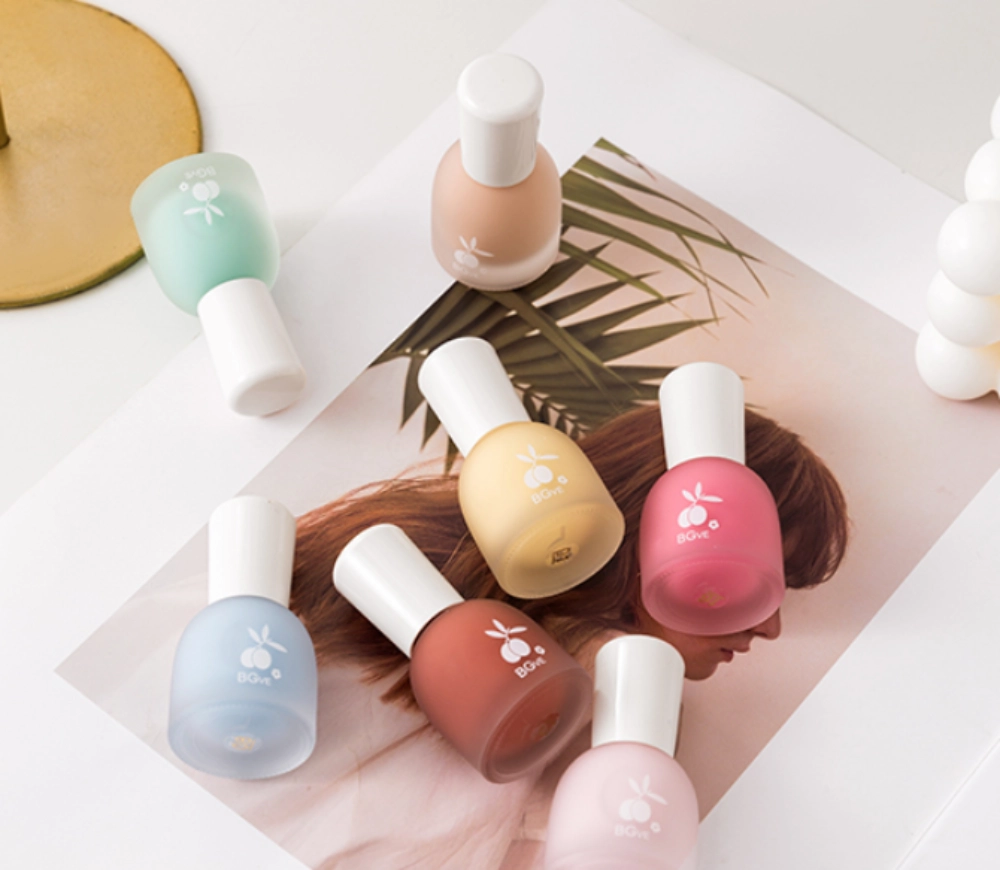
Matte Nail Polish can give a compact collection a distinctive point of view. Approve the finish with the shade and packaging, while checking application, drying behavior, and evenness under normal lighting.
Nail Polish Remover Is the Practical Supporting Item
Nail Polish Remover can complete retail sets, salon selections, or gift boxes when customers need a fuller routine. Include it only when it strengthens the use case rather than simply enlarging the range.
Paired products should look related, and their bottles, labels, closures, and cartons should be checked as one packaging system.
Conclusion
Good Custom Nail Polish planning closes decisions in order: buyer and channel, finish and formula, color and packaging, testing, then approval. Sampling should not begin until the key specifications and approval owner are clear.
Contact / CTA
When the first range is defined, use the BGVE contact page to discuss formula direction, packaging, sample checks, and production before requesting samples.
FAQ
How many shades should a first custom nail polish line start with?
Three to six shades can be a practical start when the launch has one clear buyer, channel, and color story. Choose enough to express the concept without making approvals difficult.
What should brands check before approving samples?
Check color, finish, brush feel, application, drying time, bottle and cap fit, leakage, label position, and packaging together. Also confirm required GMPC or ISO22716 documentation and local market requirements before production.
When does packaging matter more than color variety?
Packaging matters most for gifting, shelf display, and unfamiliar brands because it explains the offer before use. It should support, not replace, a coherent shade and finish concept.