



Does Creating a Custom Nail Polish Color Require Cosmetic Chemistry Expertise
October 23,2025
Crafting a unique nail polish shade excites beauty entrepreneurs and professionals looking to expand their offerings. Many ask if cosmetic chemistry skills are a must for success. The answer depends on how involved you want to be in the formula process. Technical knowledge helps with precision, but teaming up with experienced manufacturers makes it doable for non-experts. Partnering with an OEM/ODM provider like BGVE simplifies everything. Founded in 2012, BGVE employs 260 workers and runs a GMPC-certified factory covering 18,000 square meters of building space. Focusing on nail polish and makeup, BGVE handles everything from research to shipping, making it a great choice for creating standout nail products without needing a chemistry degree.
What Technical Knowledge Helps Create a Custom Nail Polish Color?
Making an original nail polish shade involves managing a few key factors. These affect how the polish looks and performs, from pigment behavior to formula stability.
Pigment Mixing and Stability
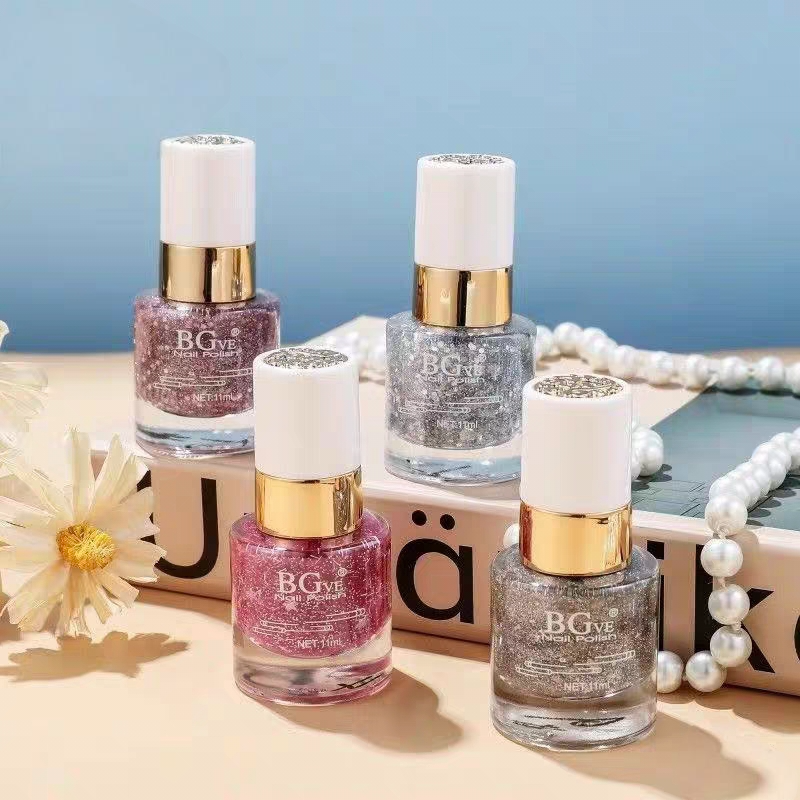
Pigments bring the color to life. But not all pigments work well together or stay mixed in the polish base. They need to remain evenly spread to avoid clumping or sinking. This requires knowing about dispersing agents and base thickness. BGVE produces various nail polish types, like fragrance, quick-drying, pearlescent, matte, temperature-changing, and luminous. Getting vibrant, stable colors means blending pigments carefully.
Solvents and Base Formulas
The solvent system controls how polish applies, dries, and grips the nail. A good base ensures smooth spreading and safe wear. Nail polish blends film-formers, resins, and plasticizers, which must match the pigments. Specs like solid content ≥ 30%, pH 5.5-6.5 (like natural nails), and friction resistance ≥ 500 times are key for a polish that works well and feels safe.
Thickness, Drying, and Finish
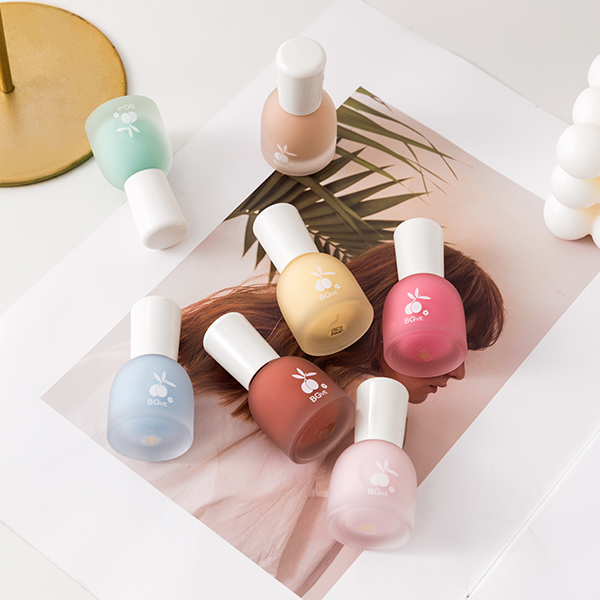
Polish thickness changes how it feels when brushed on. It also affects drying speed and the final look—glossy, matte, or satin. Matte Nail Polish, for example, uses special additives for its texture. These need balancing to avoid streaks or uneven drying. Its tiny particles stick less tightly than glossy polish, so they may chip during tasks like dishwashing.
Can Non-Chemists Create Unique Shades?
You don’t need a chemistry degree to make custom colors. With the right partners and tools, creativity can shine through.
Working with OEM Partners Like BGVE
BGVE offers full services, from planning and formula creation to production and logistics. This lets non-experts focus on their ideas while pros handle the science. Whether starting fresh or tweaking a shade, BGVE guides you through, like a friend helping plan a big project.
Using Pre-Made Bases for Easy Customization
Pre-formulated bases simplify color creation. These keep pigments stable, so you can focus on mixing shades. Matte Nail Polish is a solid choice for testing colors while keeping quality high. It saves time, letting you experiment without worrying about formula issues.
Testing Colors and Getting Feedback
Creating a great shade mixes art and trial. Testing under lights like sunlight or store bulbs shows how colors pop. Asking potential customers what they think helps refine shades. It’s about seeing how polish looks on nails during a busy day or a fun night out.
How Does Chemistry Affect Color Stability and Performance?
A bright color isn’t enough. Polish must stay vivid and hold up through daily wear, like typing or cleaning.
Stabilizers and Color Evenness
Stabilizers stop pigments from sinking, while dispersing agents keep color smooth. Without them, polish can look patchy. BGVE uses multiple checks—initial, mid-process, and final—to catch issues early, ensuring every bottle is consistent.
pH and Environmental Effects
Some pigments fade under light or air. A pH of 5.5-6.5, close to natural nails, keeps colors true. This prevents yellowing, like when polish sits on a sunny shelf. This pH range is standard for pro-grade polishes.
Ingredient Balance for Lasting Wear
Solvents and plasticizers must work together for polish that doesn’t chip or dull. A bad mix might look nice at first but flake fast. A balanced formula stays put through chores like gardening or cooking.
How Does BGVE Support Custom Nail Polish Creation?
OEM partners like BGVE turn ideas into real products with their know-how and setup, like a crew making a show run smoothly.
Full Customization with BGVE
BGVE handles everything from brainstorming to delivery. This lets creators focus on branding while experts manage the science. It’s like having a co-founder who knows the industry inside out.
Safe, Approved Materials
BGVE’s GMPC-certified factory, with a 100,000-level clean workshop, uses materials that meet global safety rules. This ensures polish is safe for markets from the U.S. to Southeast Asia.
Quality-Controlled Production
Daily checks on equipment, materials, and the workspace keep quality steady. BGVE’s team tests for issues like uneven pigments, so every bottle meets high standards.
Are There Tools for Custom Color Development?
Yes, some products make testing and refining colors easier, saving time for creators and users.
Matte Nail Polish as a Testing Base
Matte Nail Polish is perfect for trying new shades. Its non-shiny finish shows color differences clearly, like painting on a plain canvas. It helps creators nail the perfect hue.
Cuticle Revitalizer for Better Nail Looks
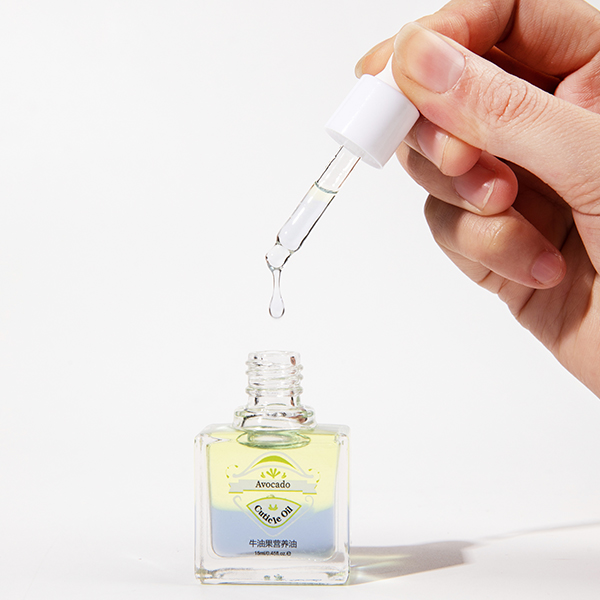
Cuticle Revitalizer isn’t part of the polish but improves the nail experience. Its light formula soaks in fast, keeping nails healthy. Strong nails make custom colors pop, like a clean frame for a painting.
Nail Polish Remover for Testing
Testing shades means applying and removing polish often. BGVE’s acetone-free Nail Polish Remover cleans gently, perfect for quick color swaps during experiments.
What Rules Apply to Custom Nail Polish?
Regulations are non-negotiable for selling polish anywhere. Skipping them risks delays or bans.
Meeting Global Cosmetic Standards
BGVE holds ISO22716, ISO9000, GMPC, and FDA certifications, ensuring production meets strict safety rules. This covers sourcing to packaging, easing worries across markets.
Clear Ingredient Lists
Listing every ingredient accurately builds trust and meets laws in places like Europe or Australia. It’s about showing customers you prioritize safety, not just following rules.
Safety Tests and User Guides
Polishes must pass skin safety tests for long-term use. Clear instructions, like applying thin coats, help users get great results safely.
FAQ
Q1: Can non-chemists make unique nail polish colors?
A: Yes, OEM partners like BGVE handle the science, letting you focus on creativity.
Q2: What tools help test custom shades?
A: Matte Nail Polish is a great base, and acetone-free Nail Polish Remover works for quick testing.
Q3: Can a line include nail care products?
A: Yes, Cuticle Revitalizer boosts nail health, making your colors stand out.