



Regular vs. Gel: How Long Does Nail Polish Take to Dry Without a UV Lamp?
August 06,2026
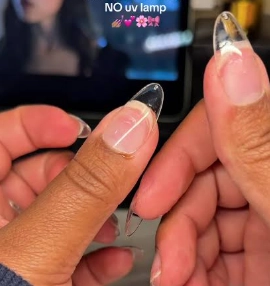
Nail Polish drying time sounds simple until you compare regular color with gel. One may feel dry in minutes, while the other needs light to harden in the right way. That difference matters when you paint your nails before work, before bed, or ten minutes before leaving the house, which is usually when a sleeve, zipper, or coffee mug ruins the finish.
BGVE develops nail products, makeup, and related beauty items, with production experience covering regular color, gel formulas, nail care oil, remover wipes, and custom cosmetic services. According to BGVE, the company works with formula development, production, material sourcing, inspection, warehousing, and logistics, so drying time is not only a user question. It also connects with formula texture, pigment load, brush control, and final wear.
How Long Does Regular Nail Polish Take Without a UV Lamp?
Regular color dries through air exposure. Solvents slowly leave the film, while resins, pigments, and top coat settle into a usable layer. A UV lamp is not needed because there is no light-triggered curing system in this type of product.
Surface Dry Time
Most regular colors can feel surface dry in about 10 to 20 minutes, depending on coat thickness, room temperature, and airflow. Some quick-drying formulas can feel touchable much sooner. BGVE’s regular color range includes quick-drying options, high color saturation, and more than 100 shades, including classic and trend colors. That kind of formula is useful when you want a neat daily manicure without salon equipment.
Surface dry does not mean scratch-proof. If you tap the nail lightly and it feels dry, the lower layer may still be soft. This is why a manicure can look perfect, then pick up a bedsheet mark after one careless hour.
Full Set Time
A safer full set usually takes closer to one or two hours. During this period, the surface becomes firmer, and the inner layers keep settling. You can still use your hands, but small habits matter. Buttoning tight jeans, washing dishes with hot water, or opening a soda can too soon may leave dents.
Two thin coats are better than one heavy coat. Thick application blocks air from reaching the lower layer, so the top seems ready while the inside stays rubbery.
Why Does Gel Color Need a Lamp?
Gel color works in a different way. It is made for curing, not simple air drying. The lamp is part of the product system, just like the brush and top layer.
Curing Instead of Air Drying
True gel formulas use resins and photoinitiators. When exposed to UV or LED light, these ingredients react and form a hard, glossy film. Without the lamp, the color may stay tacky, dull, or easy to wipe away. Waiting longer will not fix that problem because the formula is not built to dry like regular lacquer.
BGVE’s gel range is designed for light curing, with wear resistance, scratch resistance, and longer hold. In normal use, gel manicures can last far longer than regular color because the cured film has a stronger structure.
No-Lamp Gel-Effect Finishes
No-lamp gel-effect products are different from true gel. They may give extra shine and a thicker look, but they dry more like regular lacquer. That makes them easier for home use, yet they usually do not match the hardness or long wear of a cured gel finish.
This is where product naming can confuse shoppers. If a bottle says gel-like shine, it may still air dry. If it is a true gel formula, it needs the correct lamp.
What Changes Drying Time at Home?
Drying is partly formula, partly technique. Even a good product performs poorly if the layers are too thick or the nail surface is oily.
Thin Coats and Waiting Time
Start with clean, dry nails. If there is lotion, cuticle oil, or residue on the nail plate, color may slide, shrink, or chip early. Apply a thin first coat, let it settle, then add the second coat. A third coat is fine for pale shades, but each layer needs a little patience.
For deep red, black, or milky nude shades, thin layering also helps the color look smoother. It prevents bubbling and keeps the edge cleaner.
Brush, Formula, and Top Coat
A well-shaped brush helps spread color evenly from cuticle to free edge. A smooth formula should flow without flooding the sides of the nail. BGVE’s Matte Nail Polish category fits this kind of daily color routine, especially when you want a softer finish without a lamp.
Putting on a quick-dry top coat can make nail polish feel safer on top, but it cannot make thicker layers below harder instantly. As the thick layers dry they can benefit from cool air. Ice water will firm up the surface for a short time but that is not a long term fix and hot air will just cause the film to dry unevenly.
Which Finish Fits Your Routine?
The best choice depends on how long you want the manicure to last and how much equipment you want to use.
Everyday Regular Color
Choose regular color if you change shades often, prefer easy removal, or need a simple at-home routine. It works well for office neutrals, seasonal colors, and quick weekend looks. It also pairs well with acetone-free remover wipes and light nail care after removal.
Longer-Wear Gel Looks
Choose gel if you want high shine, stronger wear, and fewer touch-ups over the next one to three weeks. It suits travel, events, and busy routines where chips are annoying. The trade-off is that you need proper curing, careful removal, and better nail prep.
The BGVE contact channel lists company information for product-related communication, while the main site gives a broader view of its color cosmetic and nail product categories.
Summary of Nail Polish Drying Times. There is no one rule to dry Nail Polish. All color polishes dry by air. “True” gel polishes however, require curing with UV or an LED lamp. There are different polishes available that do not require a lamp, such as regular polish or “gel effect” polish, which should be applied in thin layers and allowed to dry by air. “True” gel polish, on the other hand, requires the correct lamp and curing time in order to achieve a hard and very glossy finish.
FAQ
Q: Can Nail Polish dry faster under a UV lamp?
A: Regular color will not cure like gel under a UV lamp. It dries by air exposure, so a lamp may not give a better result. Thin coats, cool air, and a quick-dry top layer are more useful.
Q: Can true gel color dry without a lamp?
A: Usually no. True gel needs UV or LED light to form its hard film. Without curing, it may stay sticky or wipe off easily.
Q: Why does a manicure look dry but still smudge later?
A: The top layer may be surface dry, while the inner layer is still soft. This often happens when coats are too thick or when hands touch fabric, water, or hard objects too soon.